What Is SEO? A Beginner's Guide to Search Engine Optimization
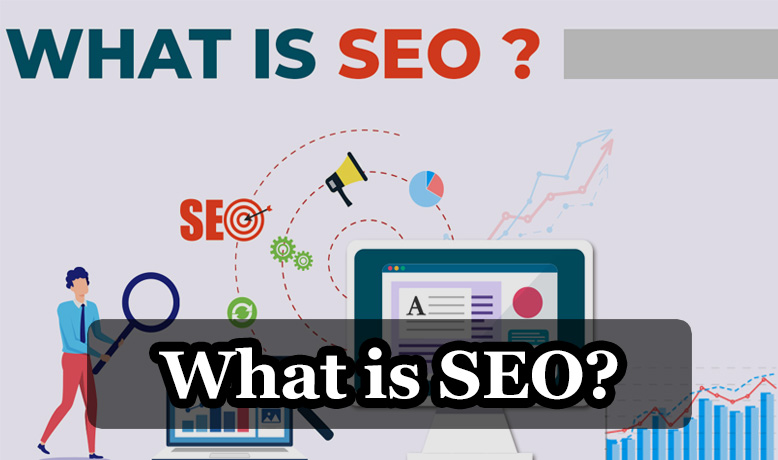
SEO (Search Engine Optimization) involves enhancing a website’s visibility on search engine results pages (SERPs). SEO is a part of digital marketing that increases organic traffic to our website, helping us achieve the goals for which we created and optimized the website, such as generating business leads, sales, brand awareness, and attracting a targeted audience. This is achieved through keyword research, on-page optimization, off-page optimization, and technical SEO, which are further parts of search engine optimization. This blog will explore the types of SEO, its history, and how it works.
Key takeaways
- SEO (search engine optimization) is improving a website so it earns more unpaid traffic from search engines like Google.
- The main types are technical, on-page, off-page and local SEO, and most sites need all four.
- Search engines crawl pages, store them in an index, then rank them by relevance, quality, authority and user experience.
- SEO results build over months, unlike paid ads, but keep bringing traffic without paying per click.
Types Of SEO
Technical SEO
Technical SEO optimizes a website’s infrastructure so search engines can crawl, index, and rank it more effectively. Unlike on-page SEO, which focuses on content and user experience, technical SEO deals with the technical aspects of the website. This includes ensuring that the site is mobile-friendly, has a fast loading speed, and is secure (using HTTPS). It also involves creating an XML sitemap to help search engines understand the site’s structure and using robots.txt files to guide search engines on which pages to crawl or ignore.
Addressing technical factors is crucial for your website’s success. This includes fixing broken links, ensuring no duplicate content issues, optimizing the website’s architecture for easy navigation, and using structured data (schema markup) to enhance how search engines interpret the content. By addressing these technical factors, you can make your website more accessible to search engines, which helps improve your site’s visibility and ranking in search engine results pages (SERPs).
On-Page SEO

On-page SEO, or on-site SEO, refers to optimizing individual web pages to improve search engine rankings and earn more relevant traffic. This involves various elements that are directly within your control on the website. Key components include:
- Optimizing content by using relevant keywords.
- Ensuring the use of proper headings (H1, H2, etc.).
- Creating meta descriptions that accurately describe the page’s content.
It also involves improving the website’s HTML code, enhancing the user experience with a fast-loading, mobile-friendly design, and ensuring that internal links are logical and useful.
On-page SEO makes your website more understandable and attractive to users and search engines. By improving the quality and relevance of your content and ensuring that your website is technically sound, search engines can better index your pages and rank them higher in search results. This helps potential visitors find your site more easily when they search for topics related to your business.
Off-Page SEO
Off-page SEO refers to actions taken outside your website to impact your rankings within search engine results pages (SERPs). Unlike on-page SEO, which focuses on optimizing a page’s content and HTML source code, off-page SEO involves improving your site’s authority and reputation through external means. The most common and impactful element of off-page SEO is building high-quality backlinks from other reputable websites to your own. These backlinks act as endorsements, signaling to search engines that your content is valuable and trustworthy.
Other off-page SEO techniques include social media marketing, where you engage with users on platforms like Facebook, X (formerly Twitter), and Instagram to drive traffic to your site, and guest blogging, where you write articles for other websites in your industry, including links to your site. Additionally, online reviews and local SEO practices, like getting listed in local directories, contribute to your off-page SEO efforts. Together, these strategies help establish your site’s authority, improve its visibility, and boost its search engine rankings.
Local SEO
Local SEO is a strategy focused on optimizing a website to be found in local search results. It is especially important for businesses operating in specific locations or serving a particular community. The goal of local SEO is to increase visibility for local searches, such as when users search for services or products followed by a location (e.g., “coffee shop near me” or “plumber in New York City”).
Key components of local SEO include creating and optimizing a Google Business Profile, ensuring that your business name, address, and phone number (NAP) are consistent across all online directories, and gathering positive customer reviews. Additionally, local SEO involves:
- Optimizing your website’s content with local keywords.
- Creating locally relevant content.
- Earning backlinks from other local businesses and organizations.
By implementing these strategies, businesses can improve their chances of appearing in local search results, driving more targeted traffic from their specific geographic area.
History of SEO
Early Days of Search Engines
The early days of search engines began in the 1990s with the emergence of directories like Yahoo and search engines such as AltaVista and Lycos. These platforms relied heavily on keyword matching and basic algorithms to rank web pages, leading to the birth of SEO as webmasters started optimizing their sites to appear in search results.
Evolution of SEO Practices
As search engines advanced, so did SEO practices. The game-changer was Google’s arrival in 1998 when it introduced the PageRank algorithm. This algorithm, which considered the number and quality of links pointing to a page, transformed the SEO landscape. It shifted the focus from keyword stuffing to a more holistic approach centered on content quality and user experience, marking a significant evolution in SEO practices.
Key Milestones in SEO History
Several key milestones have shaped the history of SEO. Between 2011 and 2013, Google launched updates like Panda, Penguin, and Hummingbird, targeting low-quality content and spammy links and improving semantic search. The rise of mobile search and voice assistants and the introduction of machine learning algorithms like RankBrain further refined how search engines understand and rank content, emphasizing the need for a user-centric SEO approach.
How it Works
Search Engines

Search engines are tools that help users find information on the internet. When you enter a query into a search engine, it searches its index of web pages to find the most relevant results.
- Google Search: Google is the world’s most popular search engine, known for its powerful algorithms and comprehensive index. It provides fast, relevant results and continuously evolves to enhance user experience.
- Bing: Bing offers unique features like image and video search enhancements. It integrates well with Microsoft’s suite of products and focuses on delivering high-quality results.
- Yahoo: Yahoo Search is a web search engine that leverages Bing’s search technology. It offers a comprehensive search experience with features like news, finance, and sports information.
- Yandex: Yandex is Russia’s leading search engine, providing localized search results and services. It also offers various other services, including maps, email, and cloud storage.
- DuckDuckGo: DuckDuckGo is a privacy-focused search engine that does not track user activity. It emphasizes protecting user privacy while delivering reliable and unbiased search results.
- Baidu: Baidu is China’s largest search engine, offering services including maps, news, and music. It is the dominant search engine in China, catering to the unique needs of Chinese users.
- Ask.com: Ask.com is a question-answer-focused search engine providing answers to user’s queries from a vast database of information. It combines search results with relevant Q&A content.
- Naver: Naver is South Korea’s leading search engine. It offers a wide range of services, including blogs, news, and shopping. It is a comprehensive portal for information and services in South Korea.
- Ecosia: Ecosia is an eco-friendly search engine that uses its profits to plant trees. It aims to make a positive environmental impact while providing a reliable search experience.
- AOL: AOL Search, part of the AOL network, offers a straightforward search experience. It integrates content from AOL’s media properties, including news, entertainment, and lifestyle articles.
- Internet Archive: The Internet Archive allows users to search and view archived versions of web pages. It is a valuable resource for accessing historical internet content and web history.
Search engines use “web crawlers” (spiders or bots) to browse the internet and index new or updated content. This process involves collecting data from websites and storing it in the search engine’s index, a massive database of web content.
How Search Engines Index and Rank Content
Indexing: After crawling a web page, search engines analyze the content and store it in their index. This process involves understanding the page’s content, structure, and context. Key factors in indexing include:
- Content Quality: High-quality, relevant content is more likely to be indexed.
- Keywords: The presence of relevant keywords helps search engines understand the content topic.
- Meta Tags: Elements like title tags and meta descriptions provide additional context about the page.
- Internal Links: Links within the website help search engines discover other pages on the site.
Ranking: Once content is indexed, search engines rank it based on its relevance to the user’s query. The ranking process involves complex algorithms that consider hundreds of factors. Key ranking factors include:
- Relevance: How well the content matches the user’s search intent and keywords.
- Authority: The credibility and trustworthiness of the content and its source.
- User Experience: Factors like page loading speed, mobile-friendliness, and ease of navigation.
- Backlinks: Links from other reputable websites that point to the content, indicating its authority and value.
Overview of Search Engine Algorithms
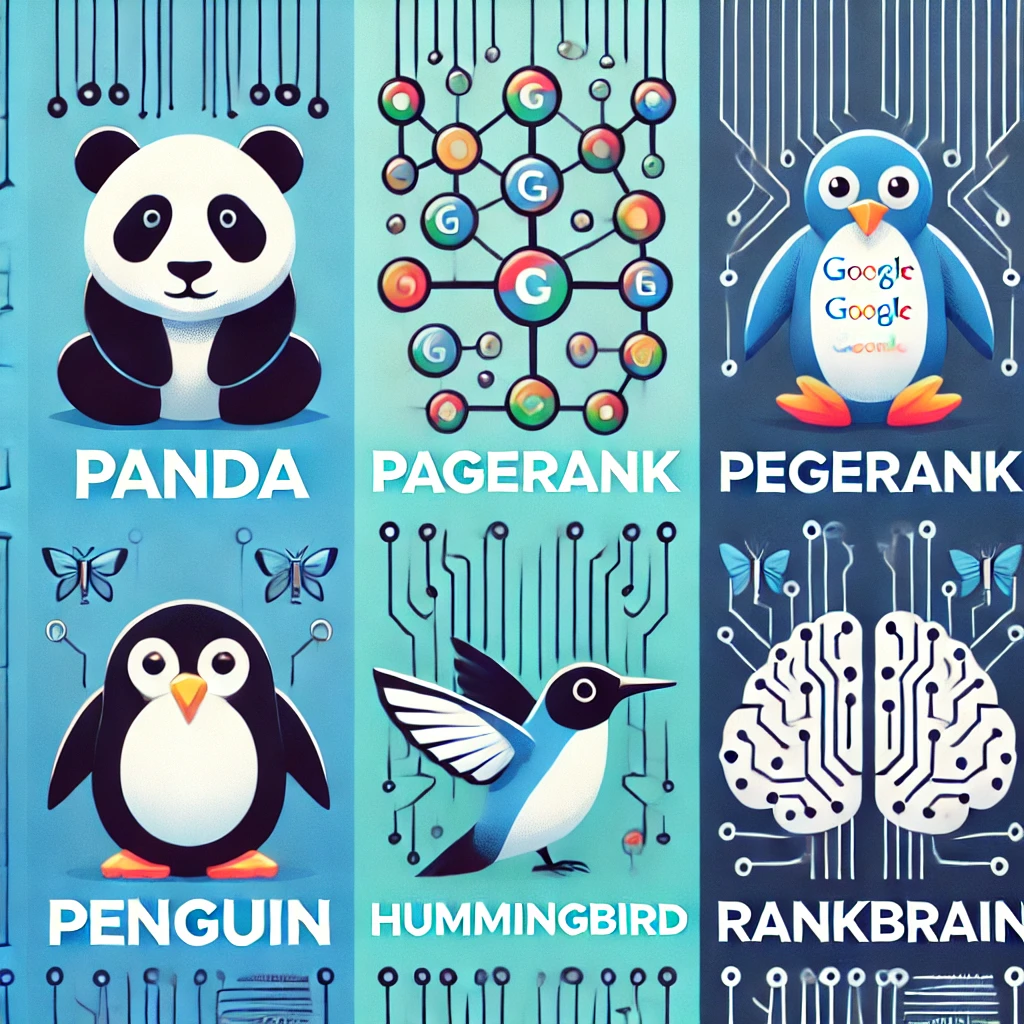
Search engine algorithms are rules and processes that determine the relevance and ranking of web pages. These algorithms are constantly updated to improve search results and combat spam. Some well-known Google algorithms include:
- PageRank: One of the earliest algorithms, which ranks pages based on the number and quality of backlinks.
- Hummingbird: Focuses on understanding the context and intent behind search queries rather than just matching keywords.
- Panda: Targets low-quality content and rewards high-quality, original content.
- Penguin: Addresses issues related to spammy or manipulative link-building practices.
- RankBrain: A machine learning-based algorithm that helps Google understand complex queries and deliver more relevant results.
Getting Started With SEO: Timelines, Costs and AI Search
Knowing what SEO is only helps if you know what to do next. This section covers the questions most business owners ask once they understand the basics.
SEO vs paid search
| SEO (organic) | Paid search (Google Ads) | |
|---|---|---|
| Cost per click | None | You pay for every click |
| Speed | Builds over months | Traffic can start the same day |
| When you stop | Rankings usually fade slowly | Traffic stops immediately |
| Best for | Long-term, steady leads | Launches, offers and testing keywords |
Many businesses use both: ads for quick results while SEO builds up.
How long SEO takes
There is no fixed timeline. A new website in a competitive market usually needs many months of consistent work before rankings grow meaningfully. An established site fixing technical errors or improving existing pages can see changes sooner. Anyone promising guaranteed first-page rankings in a few weeks is not being honest about how search works.
SEO in the age of AI answers
Google now shows AI Overviews for many searches, and people also ask tools like ChatGPT for recommendations. The fundamentals still apply: these systems draw on pages that are crawlable, clearly written and trusted. Content that shows real experience and expertise, answers questions directly and comes from a business with a consistent reputation online is the best preparation for both classic results and AI answers.
A simple first-month plan
- Set up Google Search Console and GA4, and verify your site.
- List the 10 to 20 phrases customers would type to find you, including your city, for example a service plus Lahore.
- Give each key page one main keyword and write a clear, unique title tag and meta description.
- Create or complete your Google Business Profile if you serve local customers.
- Fix the errors Search Console reports, starting with pages that are not indexed.
- Publish one genuinely useful page or article that answers a question customers ask you often.
Summation
Understanding and applying good SEO strategies is key to growing your online presence and organic traffic. Staying updated with the latest SEO practices and trends matters just as much, so your efforts stay aligned with search engine algorithms. Apply these strategies, keep checking your results, and adjust as you go. If you would rather get outside help, see our SEO services.
More SEO guides
- Meta Title Tags Explained: What They Are & How to Optimize Them
- How to Write Meta Descriptions That Drive Clicks: Guide and Examples
- Headings (H1, H2, H3…H6): How to Structure Content for Readability & SEO
- Keyword Research and Targeting: A Step-by-Step Guide for More Organic Traffic
- Keyword Overload? Here’s How Many You Actually Need
- Pros and Cons of SEO – Is It Worth Your Time and Investment?
- How Long Does SEO Take to Work? A Realistic Timeline
- Common SEO Mistakes Small Businesses Make
- SERP Features: How to Win Them in Organic Search for Better Visibility
- How Much to Charge for SEO Services
- How to Generate Leads for SEO Services
- Best SEO Strategies for UAE Businesses
- Which Ecommerce Platform Is Best for SEO?
- How the Yandex Leak Will Forever Change Your SEO
Frequently asked questions
Is SEO free?
The clicks you get from organic search are free, which is the main difference from paid ads. Doing SEO still costs time or money: writing content, fixing technical issues, tools such as Semrush, and possibly hiring a specialist. Many basics cost nothing, though, including Google Search Console, Google Business Profile and improving your own page titles and content.
Can I do SEO myself?
Yes. Small business owners can handle the fundamentals themselves: choosing keywords customers actually use, writing clear titles and helpful pages, setting up Google Business Profile and fixing issues flagged in Search Console. Hiring help makes sense when the site is large, the market is competitive, or you do not have time to publish and improve content consistently.
What does an SEO specialist do?
An SEO specialist researches the keywords a business should target, audits the website for technical and content problems, and improves pages so they match what searchers want. They also build the site's authority through links and local listings, track rankings and traffic in tools like Search Console and GA4, and report which changes brought results.