
How the Yandex Leak Will Forever Change Your SEO

In January 2023, the SEO community was rocked by a leak that revealed the inner workings of Yandex, Russia’s largest search engine. A trove of source code and ranking factor files, over 40GB in size, made its way onto the internet, exposing more than 1,900 search ranking signals that Yandex’s algorithm relies on to evaluate websites.
Key takeaways
- In January 2023 Yandex source code leaked, listing over 1,900 ranking factors but not how much each one weighs.
- Leaked signals include CTR, dwell time, pogo-sticking, freshness, backlinks, host reliability, page speed and keywords in URLs and titles.
- Yandex is not Google, but the overlap suggests user satisfaction, trust and technical health matter across search engines.
- Act on it by improving titles for clicks, updating old content, fixing speed, cleaning URLs and building quality links.
- Use the leak to guide strategy, not to fake engagement; manipulated signals tend to backfire.
For many, Yandex might seem distant compared to Google, but here’s the catch: Yandex and Google share striking similarities in how they evaluate web pages. Both were built by engineers who trained at or studied the same algorithmic principles. That’s why this leak is sending shockwaves far beyond Russia—it offers one of the clearest windows into how modern search engines may truly work, including Google.
Even if you’re strictly optimising for Google, this leak uncovers what matters for rankings today, beyond the vague guidelines and black-box updates we’re used to. It confirms what many suspected, debunks long-held SEO myths, and even introduces new ranking signals that many SEOs haven’t considered.
What Was in the Yandex Leak?
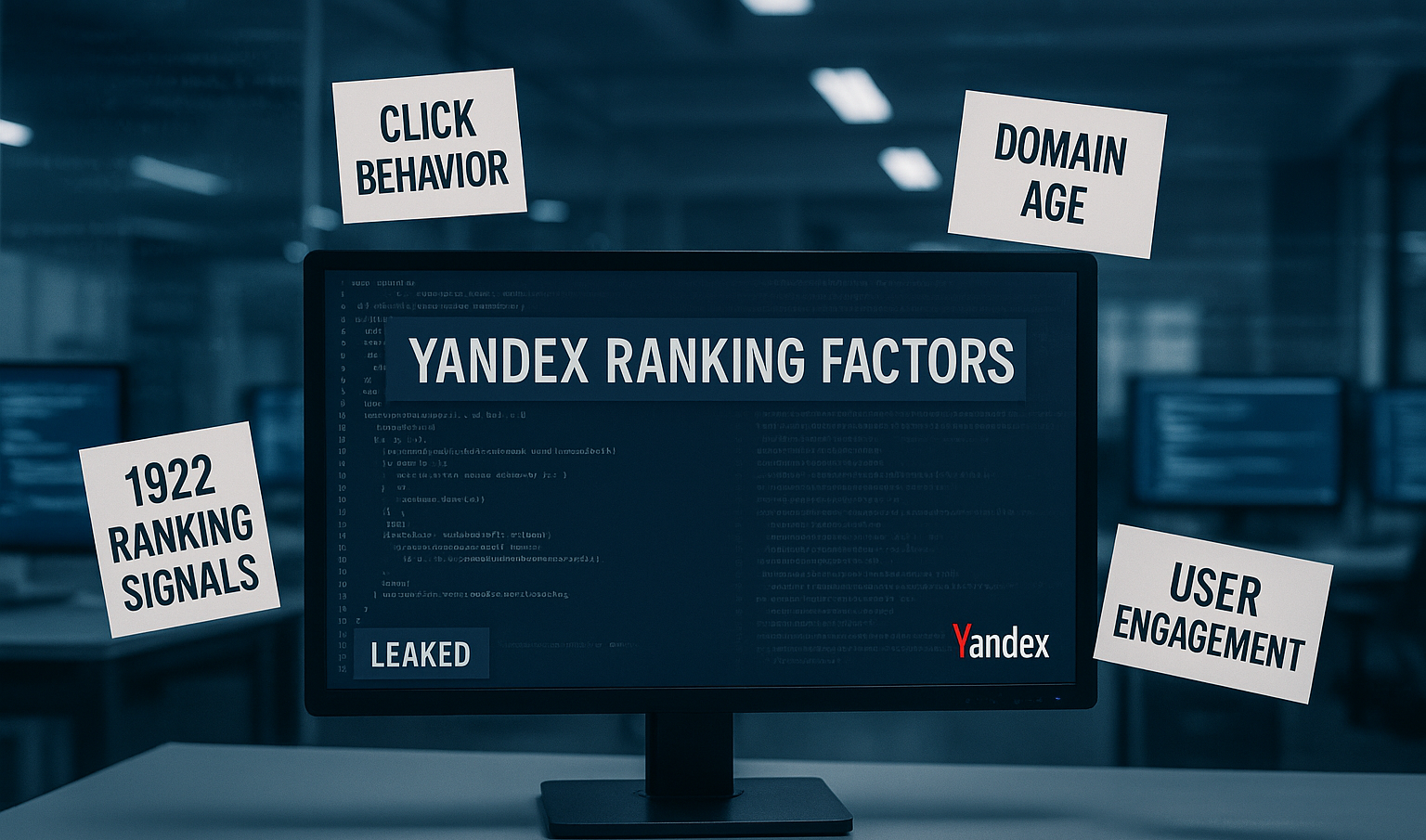
In January 2023, a former Yandex employee leaked a massive dataset containing more than 1,900 ranking factors used by the Yandex search engine. This unprecedented leak wasn’t a vague document or a second-hand report—it was actual source code, configuration files, and internal documentation uploaded to a public repository, later verified by multiple engineers.
The leak occurred through a GitHub post, where 44.7 GB of Yandex’s backend code was made available online. Although initially believed to be a hack, it was later confirmed to be an internal breach by a disgruntled developer who exposed the data. This dataset included modules for search, maps, ads, and even the codebase Yandex uses to power its search ranking engine.
Importantly, the leak didn’t include the exact weights or real-time machine learning models, meaning it didn’t reveal how much each factor contributes to rankings. However, it did provide the full list of features Yandex considers when evaluating a web page, including:
- Click-through rate (CTR) and user dwell time
- Freshness of content (how recently a page was updated)
- Length of URLs and keyword presence in the domain
- Number of backlinks and referring domains
- Page structure signals like the title tag, meta description, and content blocks.
- Behavioural factors, such as whether a user returns to search results after visiting a page (pogo-sticking)
- Host reliability and domain age
- Whether a page is frequently shared on social media
This wasn’t just a look behind the curtain—it was the blueprint of how a modern search engine thinks. And since Yandex and Google share many foundational ranking principles, the SEO world quickly realised: this leak might tell us more about Google than Google itself ever will.
Yandex vs Google: Similarities and Differences in Algorithms
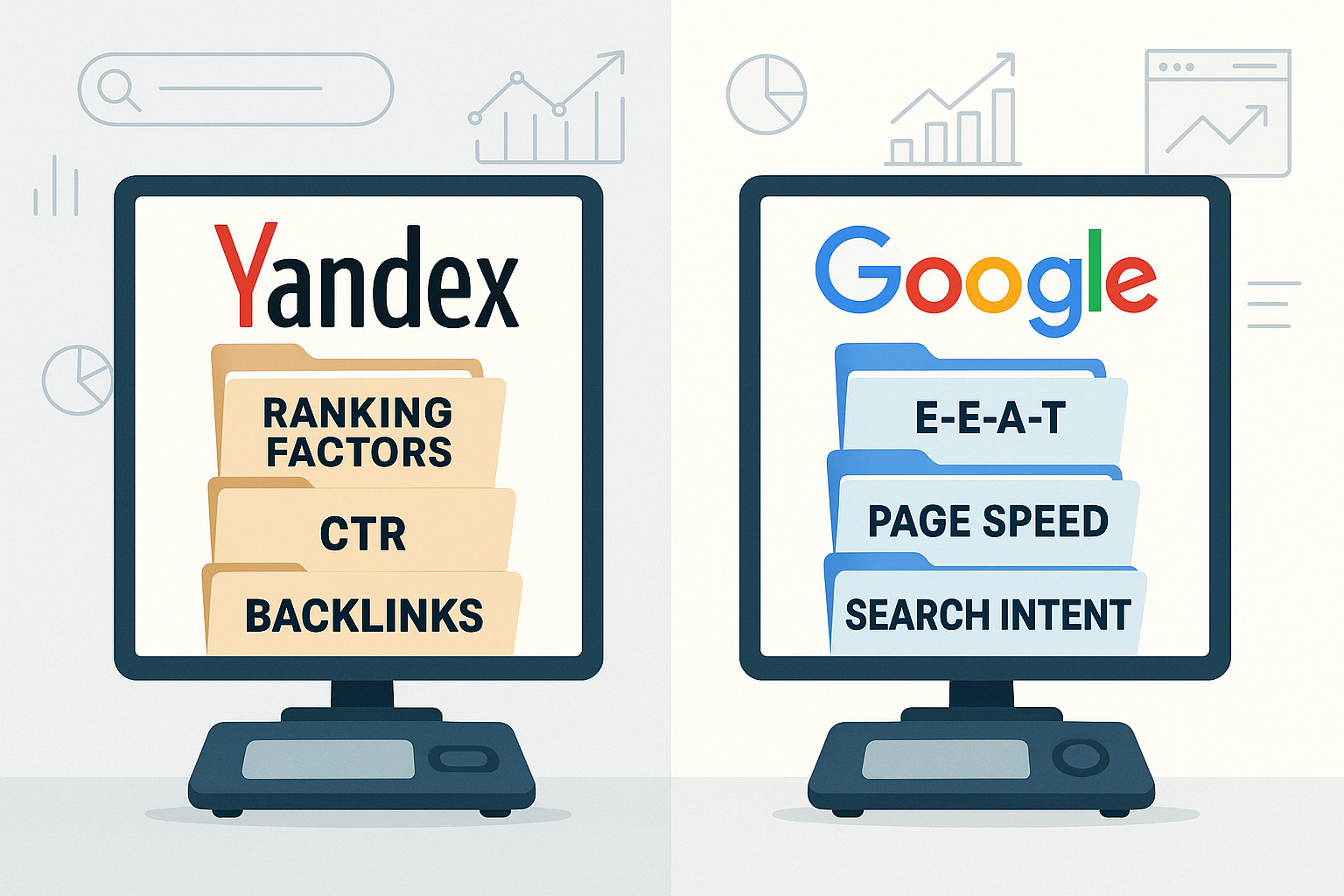
While Yandex and Google serve different markets, they operate on remarkably similar algorithmic frameworks—a result of shared academic and engineering heritage. Both prioritise user experience, authority, and content relevance, but their execution and emphasis differ in meaningful ways. Understanding these similarities and differences can help SEOs translate the Yandex leak into actionable insights for Google SEO.
Google vs Yandex: Ranking Signal Comparison
| Ranking Factor | Yandex | |
| Link-Based Signals | Heavily weighted; evaluates link authority, anchor text, and relevance | Strong influence; includes backlink count and referring domain quality |
| Content Freshness | Important for news, trends, and timely queries | Explicit freshness formulas detected; newer content often boosted |
| User Behaviour Metrics | Indirectly used (CTR, bounce rate debated) | Directly referenced in leaked factors (CTR, dwell time, and Pogosticking) |
| Domain Authority | Not officially confirmed; inferred from trust signals | Explicit domain quality score listed in the leak |
| Page Structure | Important: Google reads structured data, headings, and HTML semantics | Yandex includes dozens of layout and tag-based signals (title, H1, blocks) |
Critical Ranking Signals Revealed in the Leak

The Yandex leak didn’t just expose a list of factors—it offered a clear glimpse into how a search engine scores, ranks, and trusts a web page. While some ranking factors were expected, others reinforced just how far algorithms have evolved to reflect real user behaviour and quality signals.
Here’s a breakdown of some of the most telling ranking signals revealed in the leak—and what they mean for modern SEO:
Click-Through Rate (CTR)
Yandex’s algorithm includes multiple variables tied to how often users click on a result when it appears. A high CTR often indicates a relevant title and meta description—something Google has also indirectly hinted at valuing.
SEO Takeaway: Craft compelling, emotionally engaging titles and meta descriptions. It’s not just about showing up—it’s about earning the click.
Content Age
The leak clearly showed that newer content receives a boost, especially for topics where freshness is important. Factors like freshness_boost and last_updated_time suggest that both content publication and update history are considered.
SEO Takeaway: Regularly update existing pages and add new content to stay relevant in the rankings.
Number of Page Views
Yandex tracks how often a page is visited over time. High traffic, particularly from search, acts as a positive signal. This reinforces the idea that popular content tends to earn more trust.
SEO Takeaway: Focus on creating shareable, evergreen content that builds consistent traffic over time.
Host Reliability
Factors like uptime, loading speed, and historical site performance contribute to a domain’s trust score. If a host frequently goes down or is flagged for malware, it can negatively impact its ranking potential.
SEO Takeaway: Invest in reliable hosting and prioritise technical health, including uptime monitoring and SSL security.
User Dwell Time
Yandex specifically tracks how long users stay on a page before returning to the search results. A short dwell time may indicate poor content or a mismatch with the query intent, leading to lower rankings.
SEO Takeaway: Ensure your content answers the query immediately, keeps users engaged, and provides clear next steps to take.
Keyword Presence in URL/Title
Keyword relevance is still alive and well. The leak confirmed that keywords in the URL, title tag, and even folder structure play a measurable role in rankings.
SEO Takeaway: Continue following keyword optimisation basics—include target terms in your title, slug, and headings naturally.
What This Tells Us About Modern SEO Priorities
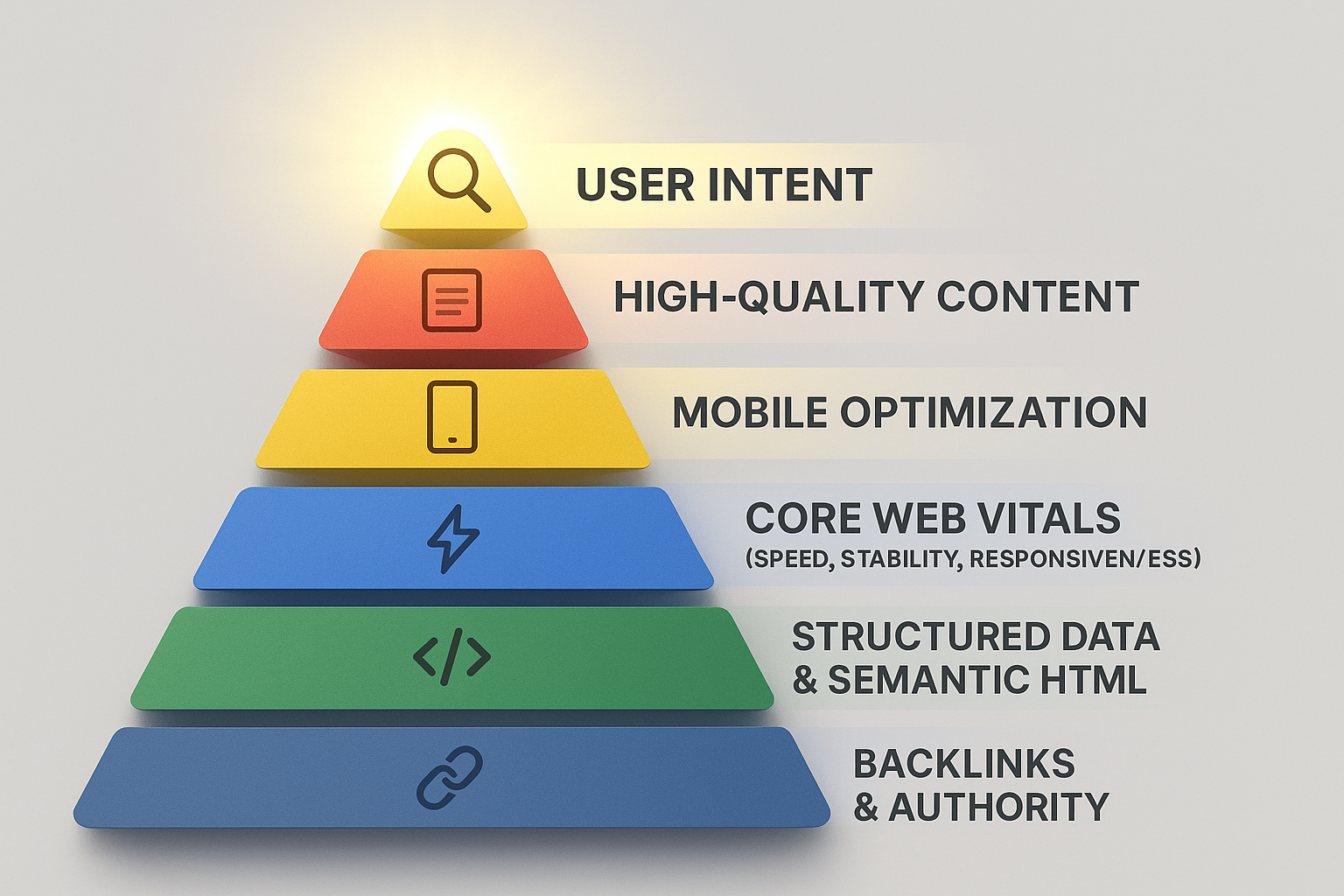
The ranking signals from the Yandex leak validate one clear message:
Search engines are prioritising human behaviour more than ever.
It’s no longer enough to stuff pages with keywords or chase backlinks. Success lies in:
- Understanding what users want
- Delivering value quickly and clearly
- Building trust through content, structure, and technical excellence
These signals confirm what top SEOs have long suspected—and now, with hard data in hand, they’re no longer just theories.
How the Leak Reshapes SEO Best Practices
The Yandex leak has done more than confirm what savvy SEOs already suspected—it has reshaped the blueprint of what works and what’s outdated in today’s optimisation strategies. With over 1,900 factors revealed, it’s clear that SEO is no longer about chasing shortcuts. Instead, it’s about creating a user-first experience backed by technical precision and strategic content execution.
Here’s how the leak is redefining the way we approach SEO across the board:
On-Page SEO: It’s Time to Rethink the Basics
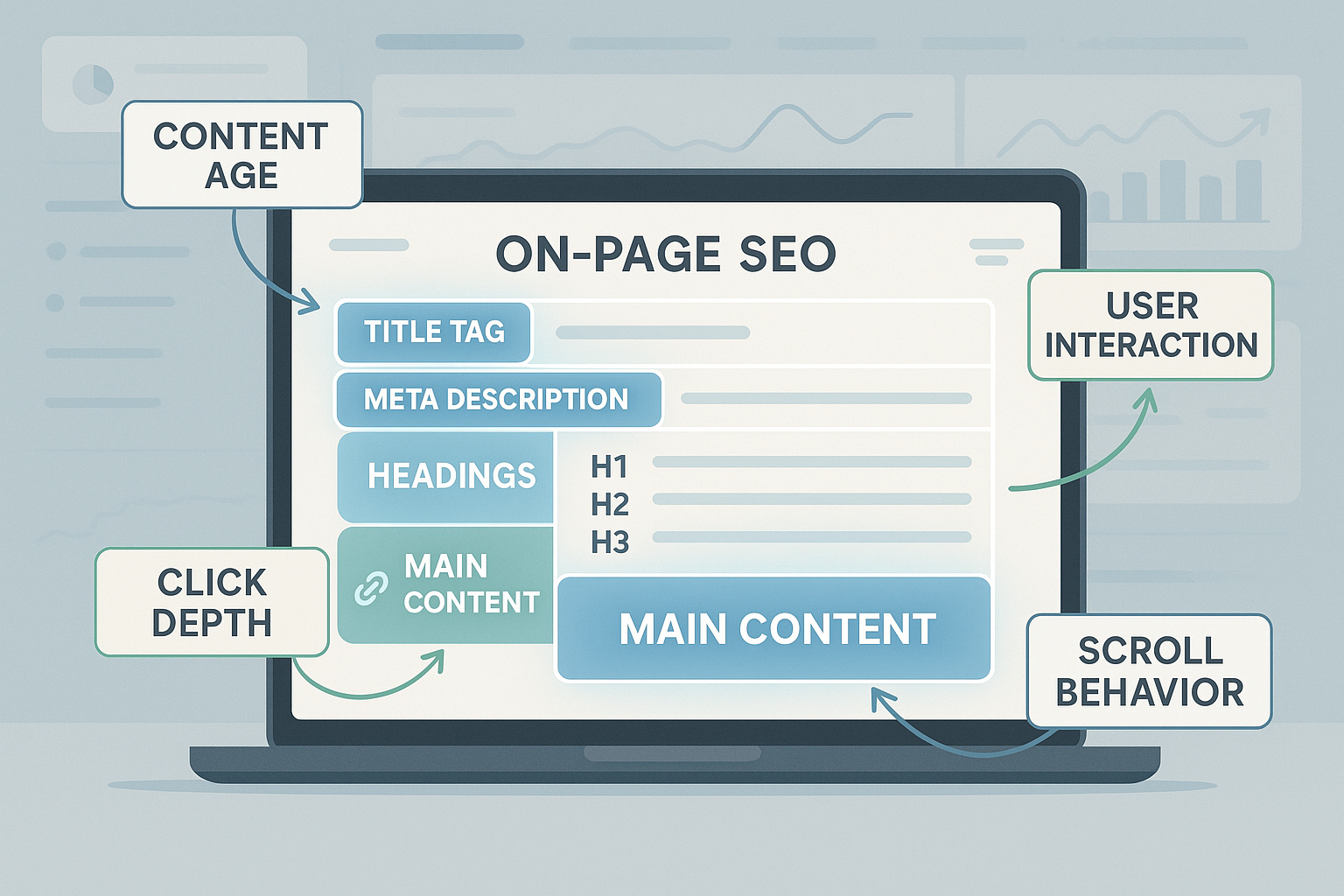
The leak proves that page structure and semantic relevance carry real weight. Factors like keyword presence in the title, URL, headers, and content blocks weren’t just included—they were emphasised repeatedly.
What to do:
- Optimise your title tags and meta descriptions to align with actual user queries.
- Structure content with clear headings, ordered lists, and relevant keywords (without stuffing).
- Use internal linking strategically to guide users deeper into your site.
New priority: Content depth and block organisation—not just length—are essential.
Off-Page SEO: Backlinks and Domain Trust

Yandex tracks backlinks, referring domains, and host trustworthiness—echoing what we know about Google. But it also includes signals related to domain history, age, and IP reputation, which suggests your off-page SEO is about more than just acquiring links.
What to do:
- Build backlinks from high-authority, reputable sources—not just quantity.
- Utilise tools to monitor domain health and history, especially when acquiring aged domains.
- Avoid spammy link exchanges, as link quality is explicitly evaluated.
New priority: Think long-term domain trust, not short-term link spikes.
What This Means for Technical SEO
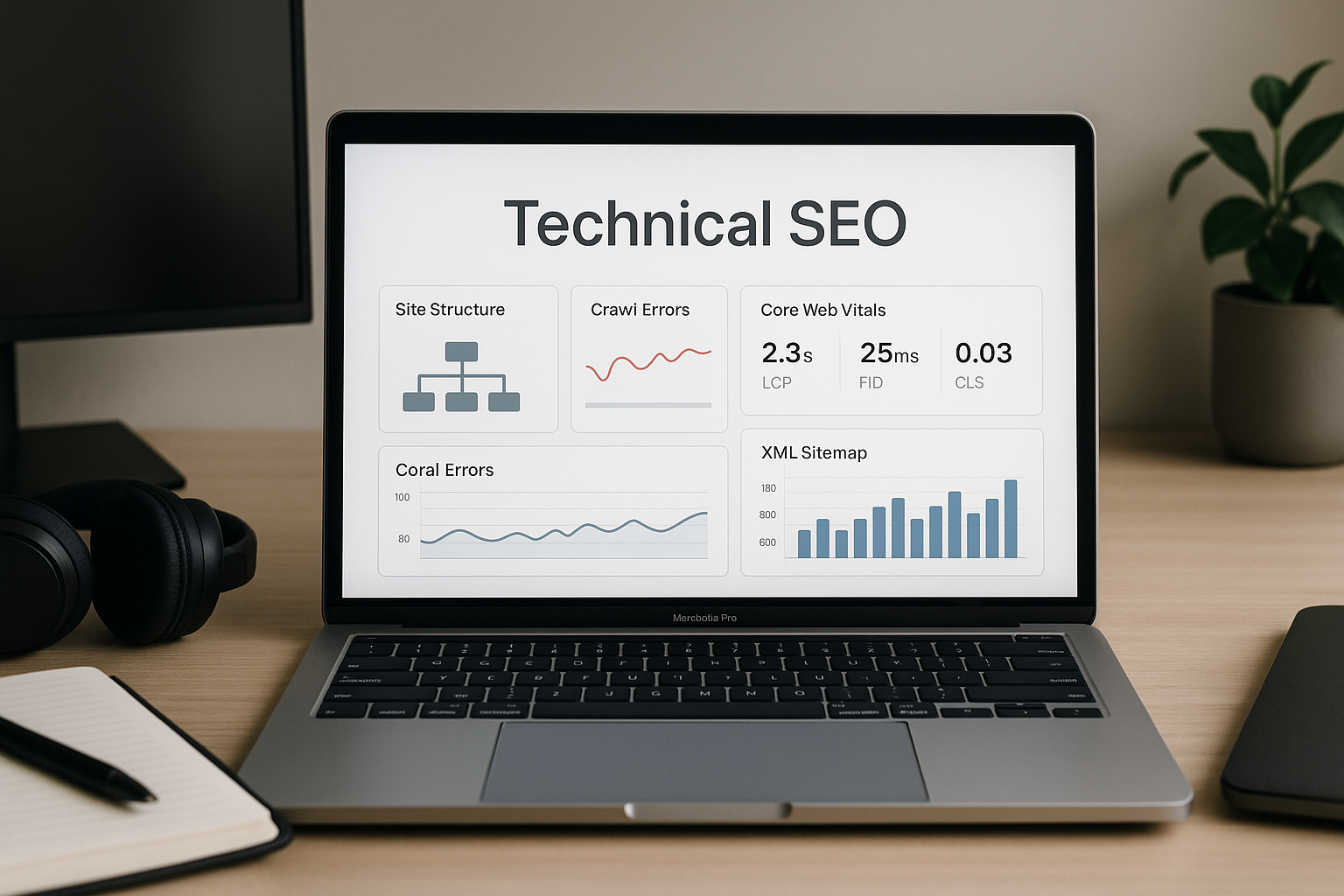
Beyond content and backlinks, the Yandex leak confirms what technical SEOs have known all along—the structure and performance of your website matter just as much as your words. The code revealed several backend indicators tied to how a site is crawled, rendered, and interpreted by the search engine.
Let’s break down how the leak reaffirms the critical role of technical SEO in achieving lasting rankings:
Structured Data: Not Just for Rich Snippets
Yandex places a clear importance on structured data markup (such as Schema.org), which helps search engines better understand page content and context.
What to do:
- Implement structured data for products, articles, FAQs, reviews, and other content types.
- Validate your markup with Google’s Rich Results Test, the Schema Markup Validator or Yandex’s own validator.
- Add schema to pages where it enhances clarity, but avoid overuse or spammy markups.
Key Insight: Structured data likely improves not just visibility, but also relevance scoring during crawling.
Canonical Tags and Duplicate Content Handling

The leaked code included mechanisms for detecting and filtering duplicate content, with preference given to canonical URLs and unique page elements.
What to do:
- Ensure every page has a properly declared <link rel=”canonical”> tag.
- Avoid publishing large blocks of identical or boilerplate content across pages.
- Use canonical tags especially on eCommerce filters, blog archives, and paginated content.
Key Insight: Mishandling duplicate content doesn’t just confuse crawlers—it damages your ranking equity.
Crawling, Indexing, and Sitemaps: Still Fundamental
Yandex tracks crawl budget distribution, sitemap reliability, and robots.txt permissions, just like Google; how your site is discovered and indexed matters significantly.
What to do:
- Submit a clean, regularly updated XML sitemap.
- Monitor crawl errors in search engine consoles (Google & Yandex).
- Use robots.txt intentionally—don’t block essential assets, such as JavaScript or CSS.
Key Insight: A poorly indexed or incomplete site will struggle to compete, even with great content.
Page Speed and Core Web Vitals: Confirmed Relevance
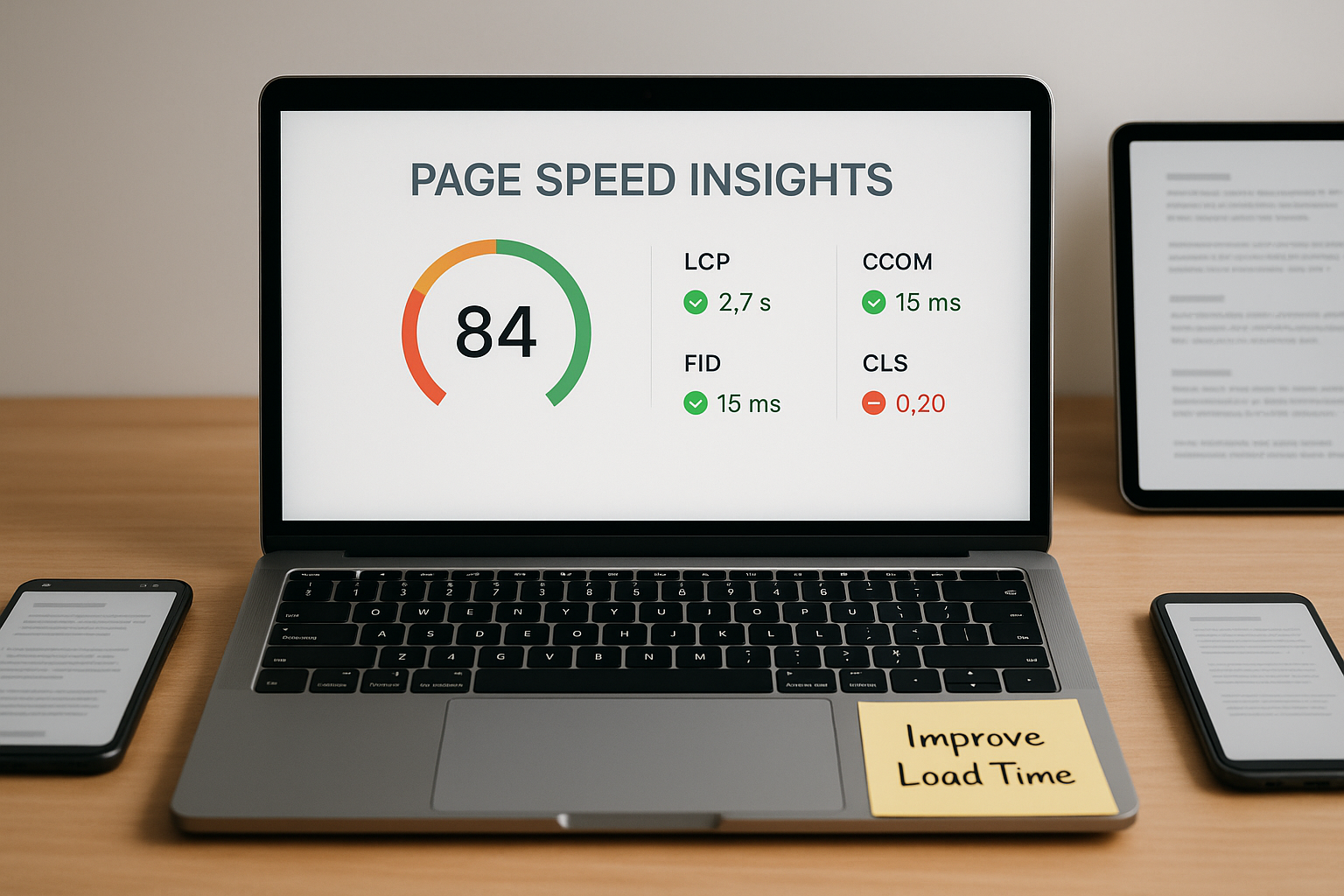
Performance-based metrics, including load time, time-to-first-byte (TTFB), and interactivity, were all referenced in the leak. These tie directly into what Google now formalises as Core Web Vitals.
What to do:
- Optimise images, compress scripts, and enable browser caching.
- Use tools like Google PageSpeed Insights or Lighthouse to identify areas for improvement.
- Consider upgrading hosting or using a CDN for better global delivery.
Key Insight: Speed isn’t just about user convenience—it’s a ranking differentiator, especially on mobile.
Opportunities for SEOs Moving Forward

For SEO professionals, the Yandex leak isn’t just an exposé—it’s a roadmap. It provides us with rare, detailed confirmation of what truly influences rankings and where traditional strategies may be falling short. If used wisely and ethically, these insights can elevate your SEO strategy from a reactive to a strategically proactive approach.
Here’s how to turn this leaked information into actionable, future-proof opportunities:
What SEOs Can Apply Immediately from the Leak

Many of the revealed ranking factors align with best practices, but the difference is that we now have data-backed evidence:
- Prioritise behavioural optimisation—write to engage, not just to inform.
- Audit older posts for content freshness, title relevance, and page structure to ensure they remain up-to-date and relevant.
- Utilise tools to track click-through rate (CTR) and dwell time as key performance indicators.
- Clean up and optimise URL structures, removing unnecessary parameters or long, messy slugs.
Quick wins: Updating meta titles, refining content blocks, and improving loading speed can yield measurable SEO improvements.
Using the Insights Ethically for Competitive Advantage
It’s tempting to treat the Yandex leak as a “hack,” but the real advantage comes from applying these principles responsibly. Rather than reverse-engineering search engines, focus on aligning your content and user experience (UX) with user satisfaction and trust signals.
How to stay ethical:
- Don’t copy ranking factor lists blindly—adapt them to your audience and goals.
- Avoid black-hat practices based on misinterpreted signals (such as fake engagement).
- Use the leak to inform strategy, not manipulate results.
Long-term value comes from transparency, not trickery.
Rethinking Content Strategy, Internal Linking, and Metadata

The leak makes one thing clear: SEO isn’t just about keywords—it’s about user satisfaction and contextual relevance. With that in mind, consider restructuring your approach:
- Focus on topical authority: Cover subjects thoroughly, rather than spreading across dozens of unrelated topics.
- Improve internal linking to guide search engines and users logically through your content hierarchy.
- Revisit metadata: Optimise title tags and descriptions with clickable language and true value propositions.
Strategic shift: Move from checklist SEO to holistic relevance building across every page.
Case Example: Applying the Leak Insights to Improve a Blog
Scenario: A fitness blog has decent traffic but isn’t ranking well for newer keywords.
Before:
- Long, keyword-stuffed titles
- Outdated content last updated 18 months ago
- Generic internal linking (e.g., “click here”)
- No structured data
After applying Yandex insights:
- Titles rewritten to match user search intent and increase CTR.
- Older posts updated with new references and modified timestamps.
- Internal links improved with descriptive anchor text and better crawl paths.
- Schema markup added for articles and FAQs.
- Mobile page speed improved from 54 to 87 on Lighthouse.
Result: Better rankings on both long-tail and medium competition keywords within 60 days, and significantly longer average session durations.
How the 2024 Google Documentation Leak Compares
The Yandex leak is no longer the only look inside a major search engine. In May 2024, internal Google API documentation for its Content Warehouse was published online. Google confirmed the documents were real but warned that they lacked context and could be out of date.
Like the Yandex files, the Google documents listed thousands of attributes but no weights, so they show what Google can store, not exactly how it ranks. Even so, several themes line up with the Yandex leak:
| Theme | Yandex leak (2023) | Google documents (2024) |
|---|---|---|
| User clicks | CTR, dwell time and pogo-sticking listed as factors | References to NavBoost, a system that uses click data, which Google also described in the US antitrust trial |
| Site-level trust | Host and domain quality scores | Site-level attributes, including one named siteAuthority |
| Freshness | Freshness and update-time factors | Several date and freshness attributes |
| Links | Backlink and referring-domain factors | Many link attributes, including anchor text and link quality |
What this means in practice
- Clicks and satisfaction matter at both search engines, so write titles that match intent and pages that finish the searcher's task.
- Site-wide quality counts, not only single pages. Prune or improve weak content instead of leaving it to drag the site down.
- Neither leak supports shortcuts. Faked clicks or bought links remain risky and are what these systems are built to filter out.
Frequently Asked Questions
Is Yandex the same as Google?
No, Yandex is a Russian-based search engine, while Google is a U.S.-based global leader in search. However, they share similar algorithmic foundations—both consider user behaviour, backlinks, content relevance, and technical SEO. The Yandex leak is valuable because it reveals how a Google-like search engine ranks pages, offering rare behind-the-scenes insights.
Can I directly use these factors to improve my ranking?
Not exactly. While the Yandex ranking factors can inform your SEO strategy, blindly applying them won’t guarantee results, especially in Google’s ecosystem. Instead, focus on patterns, such as the importance of user experience, structured content, and content freshness, which are likely shared across search engines.
Will Google change its approach after the leak?
It’s unlikely that Google will change anything in direct response. Google hasn’t acknowledged the leak, and its algorithm is far more complex and protected. That said, the leak may prompt industry-wide shifts in SEO practices, particularly in areas such as user signals, technical SEO, and content trustworthiness.
How often do algorithm leaks like this happen?
Seldom. The Yandex leak is unprecedented in scale and detail. Most search engines, including Google, keep their algorithms tightly guarded. Patents, public statements and testing offer glimpses. The closest comparison is the May 2024 leak of Google’s internal API documentation, which also listed thousands of attributes without weights.