Keyword Research and Targeting: A Step-by-Step Guide for More Organic Traffic
Struggling to target the right audience? Keyword research is the foundation of a successful SEO strategy, helping you uncover the exact words and phrases your audience uses when searching for information online. It’s a process that bridges the gap between what people are looking for and how your content can meet their needs. Without it, even the most well-crafted content can struggle to gain visibility.
Key takeaways
- Keyword research finds the exact words your audience types into search engines so you can build pages that match them.
- Classify keywords by length and intent: informational, navigational, commercial and transactional each need a different type of page.
- Follow a process: set goals, study competitors, generate ideas, judge volume, difficulty and relevance, then cluster related terms.
- Since AI Overviews and AI Mode, check the live search results before committing: a keyword with good volume can bring few clicks if an AI answer resolves it.
- Map each keyword cluster to one page, such as a blog post, service page or product page, to avoid pages competing with each other.
At its core, keyword research allows you to understand search intent, optimise content for relevance, and identify opportunities to outperform competitors. Whether building a campaign or improving your website’s performance, a thorough approach—complete with a keyword research checklist—ensures your efforts are strategic and impactful.
What is Keyword Research?

Keyword research is discovering and analysing the words and phrases people type into search engines when looking for information, products, or services. Think of it as understanding the “language” your target audience speaks online. By identifying these keywords, you can create content that resonates with their needs, ensuring it ranks higher in search results and reaches the right audience.
For Example: If you run an e-commerce store selling eco-friendly products, potential keywords might include “sustainable household items,” “eco-friendly alternatives,” or “reusable kitchen products.” Conducting keyword research helps you pinpoint terms like these, ensuring your website aligns with what your customers are searching for.
Beyond individual markets, international keyword research comes into play when targeting audiences across different countries or languages. It involves identifying region-specific search terms while considering cultural and linguistic nuances. This strategy is crucial for businesses looking to expand their global reach and remain relevant in diverse markets. By focusing on search intent—whether users are seeking information, comparing options, or ready to purchase—keyword research ensures your content is visible and valuable at every stage of the buyer’s journey.
Why is Keyword Research Important?
Keyword research is more than just finding popular search terms—it’s a strategic process that drives higher organic traffic, enhances audience targeting, and builds a long-term content strategy. By understanding your audience’s keywords, you can align your content with their needs, ensuring your website gains visibility and authority in search results.
Drives Higher Organic Traffic
When you target the right keywords, your content is more likely to appear in front of users actively searching for information or products you offer. For example, using tools like Google Keyword Planner or Ahrefs, you can identify terms with high search volume and lower competition, driving qualified traffic to your site.
Enhances Audience Targeting
Keyword research allows you to understand search intent—whether users are seeking information, comparing options, or ready to buy. By aligning your content with this intent, you attract visitors and ensure they are the right audience for your business.
Builds a Long-Term Content Strategy
A solid keyword strategy helps create a roadmap for future content. By clustering related keywords, you can plan blogs, landing pages, and product descriptions that consistently address your audience’s needs. Additionally, tools like Semrush and Moz (two of the best-known keyword research tools) make it easier to track trends and refine your approach over time.
Why It Pays Off
- Pages built around researched keywords are easier to optimise, track and improve than pages written on guesswork.
- Matching a page to the intent behind a query is what turns impressions into clicks and clicks into enquiries, and you can verify it for your own site in Google Search Console and GA4.
By leveraging the insights from keyword research, you can craft content that consistently ranks well, attracts the right audience, and contributes to long-term business growth.
What are the Types of Keywords

Understanding the different types of keywords is essential for creating a comprehensive SEO strategy. Keywords can be categorised based on their length, intent, and relevance. Each type serves a specific purpose in targeting users at various stages of their search journey.
Short-Tail Keywords
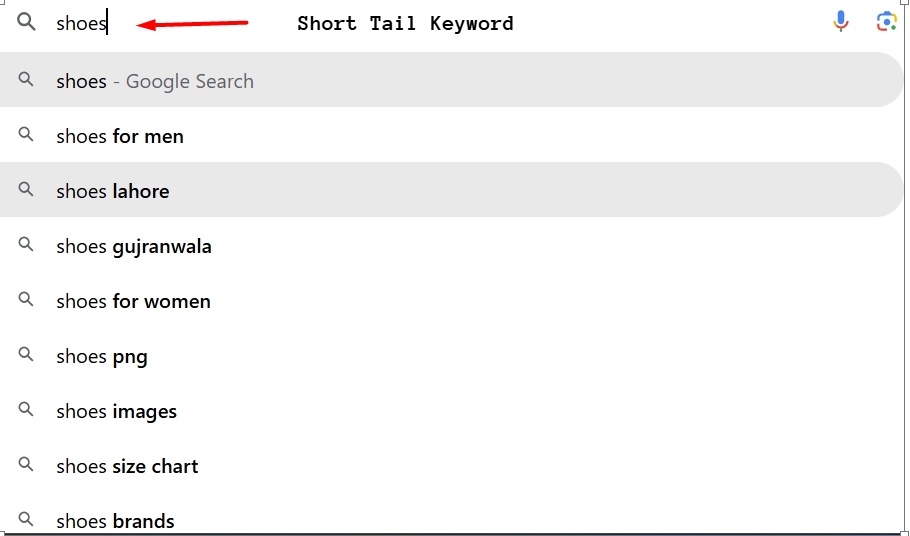
- Definition: Broad and generic terms, usually 1-2 words long.
- Characteristics: High search volume but lower conversion rates due to lack of specificity.
- Example: “Shoes”
Long-Tail Keywords
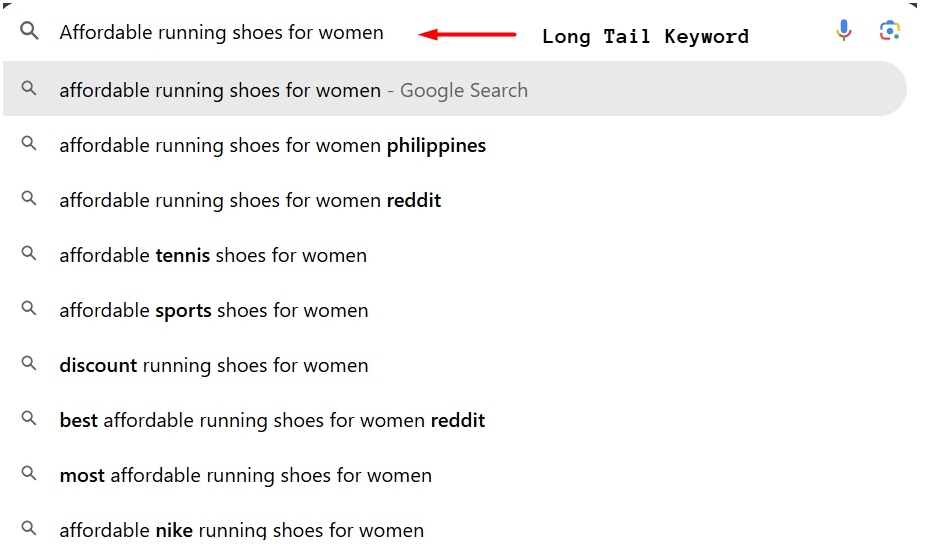
- Definition: More specific phrases, usually 3-5 words or more.
- Characteristics: Lower search volume but higher conversion rates as they target niche audiences.
- Example: “Affordable running shoes for women”
Related and Semantic Terms
- Definition: Terms, entities and questions that belong to the same topic as the primary keyword.
- Purpose: Helps you cover a topic fully. Google uses natural-language understanding, not “LSI”, which is a 1990s indexing technique Google has said it does not use.
- Example: For the keyword “digital marketing,” related terms could include “online advertising” or “SEO strategy.”
Keywords by Intent
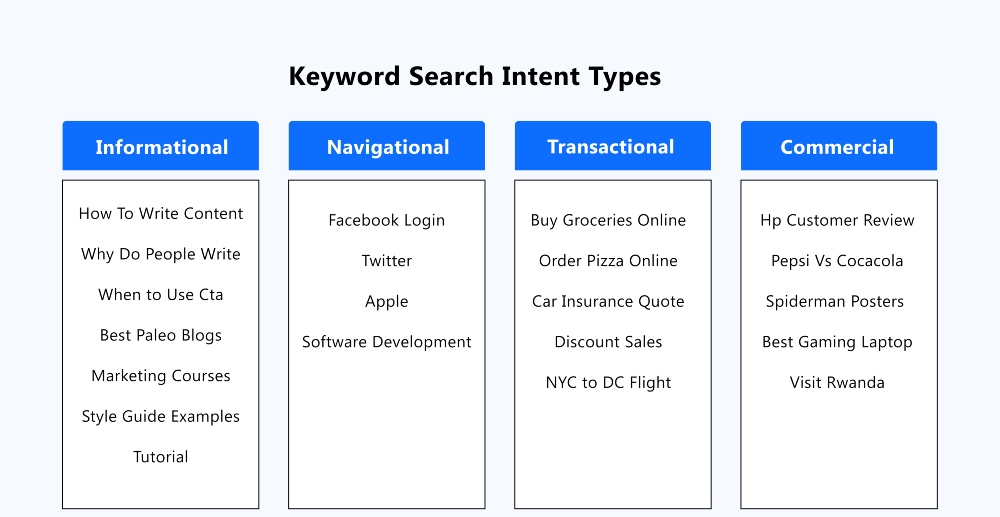
- Navigational: Users search for a specific website or brand.
- Example: “Nike official website”
- Informational: Users look for knowledge or answers to questions.
- Example: “What are the benefits of keyword research?”
- Transactional: Users intend to make a purchase or complete an action.
- Example: “Buy Nike running shoes online.”
- Commercial: Users are researching products or services but are not ready to purchase.
- Example: “Best running shoes for beginners”
Geo-Specific and International Keywords
- Definition: Keywords targeting a specific region or country, often adapted to cultural and linguistic preferences.
- Importance: Essential for global businesses or those entering new markets.
- Example: For international keyword research, variations like “SEO tools for the UK market” or “Keyword planner Australia” would apply.
Comparison Table
| Keyword Type | Search Volume | Conversion Rate | Purpose | Example |
| Short-Tail Keywords | High | Low | Broad audience targeting | “Shoes” |
| Long-Tail Keywords | Low | High | Targeting niche, intent-specific users | “Affordable running shoes for women” |
| LSI Keywords | Medium | Medium | Covering a topic fully | “SEO tools,” “online advertising” |
| Navigational Keywords | Medium | Medium | Driving traffic to specific websites | “Nike official website” |
| Informational Keywords | High | Low | Educating or answering questions | “What is keyword research?” |
| Transactional Keywords | Medium | High | Converting users into customers | “Buy Nike running shoes online” |
| Commercial Keywords | Medium | Medium | Product/service research | “Best running shoes for beginners” |
| Geo-Specific/International | Varies | Varies | Targeting specific regions or markets | “Keyword Planner Australia” |
Steps to Conduct Keyword Research
Effective keyword research involves a step-by-step approach that ensures your content aligns with business objectives, resonates with your target audience, and outperforms competitors. Here’s a structured process to help you maximise the impact of your OnPage SEO strategy:
Identify Your Goals
Before diving into tools and metrics, define what you want to achieve with your keyword strategy.
- Are you aiming to drive traffic, increase conversions, or build brand awareness?
- Align your keywords with these objectives to ensure your efforts are targeted and measurable.
For example, an e-commerce store might focus on transactional keywords like “buy organic skincare online,” while an informational blog might prioritize keywords like “how to use organic skincare products.”
Analyse Competitor Keywords
Your competitors can be a goldmine for keyword ideas. Tools like Ahrefs, Semrush, and SpyFu allow you to analyse the keywords they rank for, helping you identify gaps and opportunities.
- Example: Use Ahrefs to discover competitors’ top-performing pages and extract their keywords.
- Once you’ve gathered insights, decide what to do next:
- Identify areas where you can create more in-depth or unique content.
- Prioritise keywords with lower competition but high relevance.
Generate Keyword Ideas
Use keyword research tools to find terms your audience is searching for. Popular tools include:
- Google Keyword Planner: Ideal for discovering keywords and estimating their search volume; without active ad spend it shows ranges such as 1K to 10K rather than exact figures, and bid ranges appear in your account currency (PKR for a Pakistani account).
- Ubersuggest: Offers keyword suggestions and SEO metrics.
- AnswerThePublic: Visualizes keyword ideas based on user questions.
- Ahrefs/Moz/Semrush: Comprehensive insights into keyword trends, volume, and competition; Semrush’s Keyword Magic Tool also labels each keyword’s intent.
Google Search Console: Free, and the only tool that shows the real queries your site already gets impressions for; start here before buying anything.
Evaluate Keyword Potential
Not all keywords are equal. Evaluate each keyword based on these metrics:
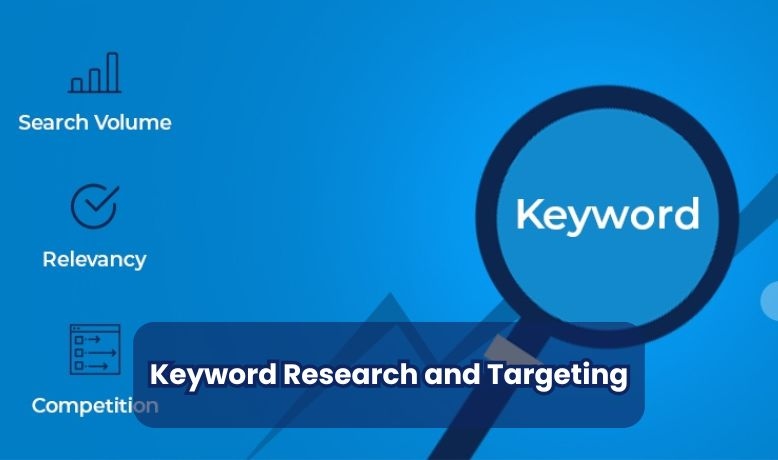
- Search Volume: Indicates how often a term is searched.
- Keyword Difficulty (KD): Measures the competition for ranking. A low KD score suggests a keyword is easier to rank for, though each tool calculates it differently, so check the actual pages ranking as well.
- Relevance: Ensure the keyword aligns with your audience’s intent and content goals.
Group and Target Keywords
Once you’ve identified the right keywords, organise them into clusters based on search intent or topic.
Keyword Clustering: Group related keywords to create focused content that ranks for multiple terms.
- Example: For a fitness blog, a cluster could include “weight loss tips,” “healthy diet for weight loss,” and “best exercises for weight loss.”
Content Silos: Structure your website into thematic sections that link related content, improving both user experience and SEO.
Keyword Research Tools and Their Uses
Keyword research tools are indispensable for uncovering search terms, analysing competition, and optimising your content for visibility. Here’s an overview of some popular tools, their features, and when to use them.
Ahrefs
Overview: A powerful SEO tool that provides extensive keyword data, competitive analysis, and ranking insights.
Pros:
- Comprehensive keyword difficulty (KD) analysis.
- Competitor analysis with detailed reports.
- SERP overview for targeted keywords.
Cons:
- Full plans cost over $100 a month (roughly PKR 28,000 or more) as of October 2026, which is expensive for a small business; a limited lower-priced tier and the free Ahrefs Webmaster Tools cover basic needs.
- Requires a learning curve for new users.
Semrush
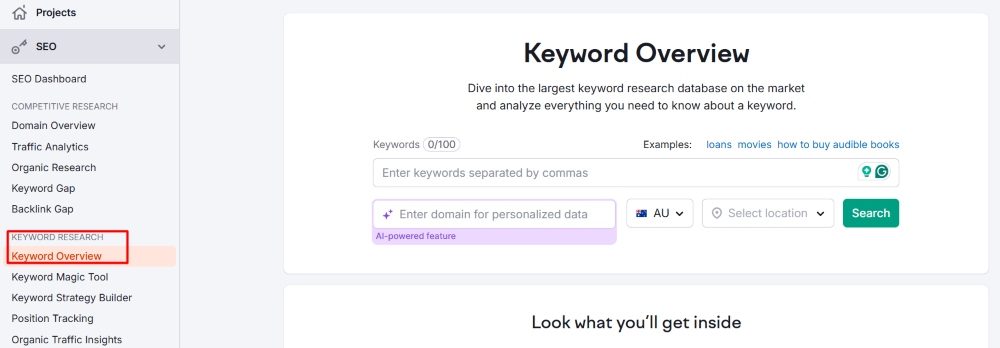
Overview: A versatile platform offering keyword research, site audits, and PPC data.
Pros:
- Wide range of features beyond keyword research.
- Great for analysing competitors’ keyword strategies.
- Tracks keyword performance over time.
Cons:
- It can be overwhelming due to the sheer number of tools.
- Entry plans also start above $100 a month (over PKR 28,000) as of October 2026, with higher tiers for full functionality; a free account gives a few searches a day.
Moz Keyword Explorer
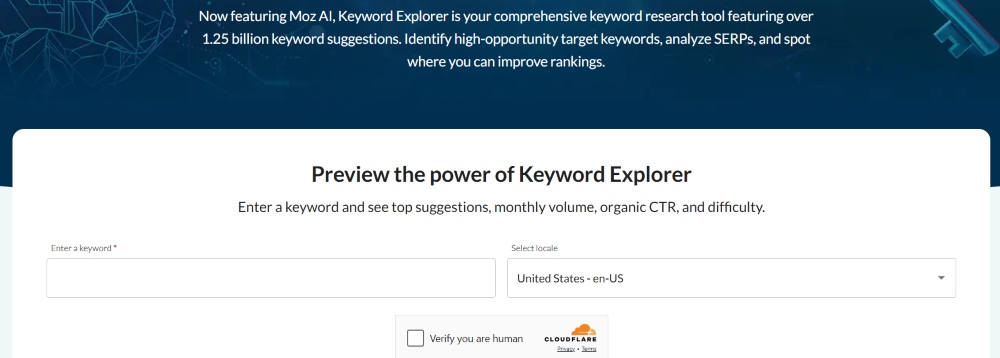
Overview: Focuses on keyword analysis with a user-friendly interface.
Pros:
- Simple interface for beginners.
- Includes “Priority Score,” combining volume, difficulty, and relevance.
- Good integration with Moz’s other SEO tools.
Cons:
- Smaller keyword database than Ahrefs and Semrush, which shows most in niche or non-English markets such as Pakistan.
- Smaller database for niche keywords.
Free Tools
AnswerThePublic:
- Overview: Generates keyword ideas in a visual format based on user questions.
- Pros: Easy to use, great for brainstorming.
- Cons: Limited data for competitive analysis.
Google Trends:
- Overview: Tracks keyword popularity over time.
- Pros: Free, great for identifying seasonal trends.
- Cons: It doesn’t provide search volume or competition data.
Advanced Keyword Targeting Strategies
Taking your keyword research to the next level involves understanding user intent, targeting international audiences, and aligning your keywords with a clear content strategy. Let’s explore how advanced keyword targeting can refine your SEO efforts.
Optimising for Search Intent
Search intent refers to the reason behind a user’s query. By optimising for intent, you ensure your content meets users’ needs at every stage of their journey.
Informational Keywords: Users seek knowledge or answers to questions.
- Examples: “What is keyword research?” or “Benefits of SEO.”
- Content-Type: Blog posts, how-to guides, tutorials.
Navigational Keywords: Users are looking for a specific website or brand.
- Examples: “Ahrefs pricing” or “Google Trends login.”
- Content-Type: Landing pages, brand-focused pages.
Transactional Keywords: Users intend to complete an action, such as a purchase or subscription.
- Examples: “Buy keyword research tools” or “SEO agency near me.”
- Content-Type: Product pages, service pages, PPC ads.
By categorising keywords by intent, you can create content that directly addresses what users are searching for, increasing the likelihood of conversions.
International Keyword Targeting
Targeting global audiences involves adapting your keyword strategy to different regions and languages, known as international keyword research.
Tips for International Targeting:
- Use tools like Google Keyword Planner and Ahrefs to identify region-specific search terms.
- Consider cultural nuances and preferences. For example, in the US, users might search for “vacation,” while in the UK, they might search for “holiday.”
- Optimise for local languages, ensuring translations maintain relevance and accuracy.
Example:
A global e-commerce business selling fitness equipment might target:
- US: “Best gym equipment for home use.”
- Germany: “Fitnessgeräte für Zuhause.”
Tailoring keywords to regional contexts helps capture a diverse audience and ensures higher relevance in international markets.
Content Mapping
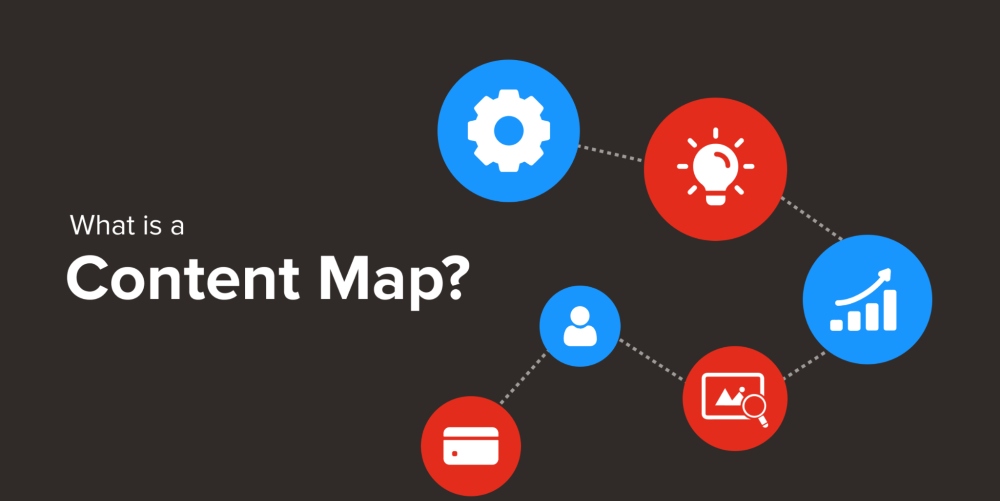
Content mapping is aligning your keywords with specific types of content to guide users through their search journey effectively.
Steps to Map Keywords:
- Cluster-Related Keywords: Group keywords by topic or intent.
- Example: “Healthy recipes,” “easy vegetarian recipes,” and “quick meal prep” form a cluster for a food blog.
- Assign Content Types:
- Blog posts for informational keywords.
- Landing pages for transactional keywords.
- Product descriptions for commercial keywords.
- Create Content Silos: Organize content into thematic sections to improve SEO and user experience.
Example Content Map for an SEO Agency:
- Blog: “What is keyword research?” → Targets informational intent.
- Landing Page: “Affordable keyword research services” → Targets transactional intent.
- Case Study: “Keyword research success story” → Builds credibility.
Start with one page, apply the steps above, and measure the change in Google Search Console.
Keyword Research When Google Answers with AI
As of October 2026, Google shows AI Overviews on a large share of informational searches and offers AI Mode, a chat-style search, in Pakistan as well. A keyword's search volume has not changed, but the number of clicks a top ranking brings has, so add these checks to the process above:
- Look at the live results page. Search each shortlisted keyword yourself. If an AI Overview answers the question in full, expect far fewer clicks than the volume suggests, especially for definitions, quick facts and simple how-to questions.
- Favour keywords where people still need a page. Commercial and local queries such as "SEO services in Lahore", "solar panel price in Pakistan" or "best dentist in Gulberg" still send visitors to websites, because the searcher needs a provider or a product, not a summary.
- Aim to be cited. AI answers cite a handful of sources. Pages with original data, first-hand experience, clear local detail and a direct answer near the top are cited more often than generic articles.
- Read Search Console differently. Clicks from AI Overviews and AI Mode are included in the Performance report but not separated. Rising impressions with falling clicks on an informational query usually means an AI answer sits above you.
- Use AI tools for ideas, not for numbers. ChatGPT, Gemini and Claude are useful for brainstorming seed keywords, questions and Roman Urdu variations, but they do not know real search volumes; validate every idea in Keyword Planner, Semrush or Search Console.
Keyword Research for Businesses in Pakistan
Most keyword tools default to US data, so local businesses need a few extra steps to see how Pakistani customers actually search.
- Set the location correctly. In Google Keyword Planner and Semrush, choose Pakistan, or a specific city such as Lahore or Karachi where the tool allows it. Volumes for the same keyword can differ a lot between countries.
- Include Roman Urdu and mixed-language searches. Many people type Urdu words in English letters, such as "sasta", "price in Pakistan" or "near me" combined with an Urdu product name. Check Google autocomplete for these variations, as tools often under-report them.
- Add price and city modifiers. Searches such as "solar panels price in Pakistan" or "dentist in DHA Lahore" show strong buying intent. Build service and product pages around them.
- Watch for low reported volume. Tools may show zero or very low volume for local terms that still bring real customers. Use Search Console impressions and your own sales enquiries as a reality check.
- Separate local and national intent. A keyword with a city name belongs on a location or service page. A general question belongs in a blog post that can rank across the country.
A simple starter workflow
- List every product or service you sell and the cities you serve.
- Type each into Google and note autocomplete suggestions and People Also Ask questions.
- Check volume and difficulty for the list in Keyword Planner or Semrush with Pakistan selected.
- Group terms by intent and assign each group to one page.
- After a few weeks, compare your plan with the real queries in Search Console and adjust.
Frequently asked questions
Can I do keyword research for free?
Yes. Google Keyword Planner is free with a Google Ads account and gives volume ranges. Google autocomplete, People Also Ask boxes, Google Trends and the queries report in Google Search Console are all free and show real search behaviour. Paid tools such as Semrush or Ahrefs add difficulty scores and competitor data, which save time but are not essential for a small site.
How many keywords should one page target?
Each page should target one primary keyword plus a group of closely related variations and questions that share the same search intent. If two keywords would be answered by the same page in the search results, they belong together. If Google shows different kinds of pages for them, they usually need separate pages on your site.
What is keyword difficulty?
Keyword difficulty is a score from tools like Semrush, Ahrefs and Moz that estimates how hard it is to reach page one for a keyword, based mostly on the backlink strength of the pages already ranking. Each tool calculates it differently, so treat it as a rough guide. Newer or smaller sites usually do better starting with low-difficulty, specific long-tail keywords.
How often should I redo keyword research?
Do a full round before planning a new site section or content calendar, then review it every few months. Check Google Search Console for new queries your pages already get impressions for, since these are easy wins. Revisit keywords sooner if your products, services or target cities change, or if search results for your main terms start showing different types of pages.
Are LSI keywords a real Google ranking factor?
No. Latent Semantic Indexing is a 1990s document-indexing technique, and Google has said it does not use it. What matters is covering a topic properly with the related terms, entities and questions a reader expects, which Google's language models understand without any special keyword list. Use the related-term suggestions from your keyword tool as a coverage checklist, not as words to sprinkle into the text.