Pros and Cons of SEO – Is It Worth Your Time and Investment?
In the digital age, visibility is everything—and that’s where Search Engine Optimization (SEO) steps in. But what exactly is SEO? Simply put, SEO is the practice of enhancing your website to rank higher on search engines like Google. This means when someone searches for something related to your business, your site is more likely to appear at the top, driving organic (unpaid) traffic straight to your virtual doorstep.
Key takeaways
- SEO is worth it for most businesses that can wait a few months, because rankings keep bringing traffic without paying per click.
- Main pros: steady organic traffic, lower long-term cost, credibility from high rankings, better user experience and measurable results.
- Main cons: slow results, algorithm updates, strong competition, ongoing maintenance and technical complexity.
- Over-optimisation such as keyword stuffing or unnatural links can backfire, so steady, quality work beats shortcuts.
So, why is SEO crucial in today’s digital marketing landscape? Because online competition is fierce. Every brand is fighting for attention, and SEO is one of the most cost-effective ways to stay ahead. It helps businesses grow their reach, improve user experience, and build long-term credibility—all without paying for each click.
That said, SEO isn’t a magic trick, and it’s often misunderstood. Many believe it brings instant results or is just about adding keywords. In reality, it’s a long-term investment that requires strategy, patience, and consistency. But when done right, SEO delivers powerful, sustainable results that can transform your digital presence.
What Are the Pros of SEO?
While there are many digital marketing tools out there, SEO remains one of the most powerful. Here are five undeniable advantages that make it a game-changer for businesses of all sizes:
Increased Organic Traffic

SEO helps you appear in front of people who are actively searching for what you offer. Unlike paid ads, where visibility stops the moment you stop paying, SEO brings in consistent, high-quality traffic over time—without costing you per click.
Cost-Effective in the Long Run
While the initial investment in SEO (content, optimization, audits) may seem high, it pays off over time. You’re not locked into ongoing ad budgets. Once your site starts ranking well, you’ll enjoy long-term visibility with minimal maintenance costs, making it a budget-friendly strategy.
Builds Credibility and Trust

Users trust Google. And when your website appears on the first page of search results, that trust extends to you. High rankings signal authority, especially when supported by great content and user experience. Over time, SEO positions your brand as reliable and reputable.
Enhances User Experience
Good SEO isn’t just about pleasing algorithms—it’s about serving your users better. From faster load times to mobile responsiveness and intuitive navigation, SEO naturally improves how visitors interact with your site. A smoother experience often leads to higher engagement and conversions.
Offers Measurable Results
One of SEO’s biggest advantages is transparency. Tools like Google Analytics and Search Console let you track everything—from traffic sources and bounce rates to keyword performance. This means you can measure progress, adjust strategy, and continuously improve your digital footprint.
Key Benefits of SEO
While the advantages of SEO may seem straightforward, their true impact becomes clear when you look at how SEO actively supports business growth across different areas. It’s not just about higher rankings—it’s about building a sustainable presence that works for your brand 24/7.
Boosting Content Visibility

You could have the best product or service in your industry, but if people can’t find you, it doesn’t matter. SEO ensures that your blogs, landing pages, and service pages are optimized with relevant keywords, structured properly, and indexed by search engines. This improves your visibility to the right audience—those actively looking for what you offer.
Example: A small online boutique optimized its product pages for long-tail keywords like “handmade eco-friendly scarves” and saw steady growth in organic traffic from shoppers searching for those exact products.
Driving Lead Generation
SEO brings in intent-driven traffic—people who are already interested in what you’re offering. Whether they fill out a contact form, download a resource, or make a purchase, visitors arriving through SEO are more likely to convert because they’re already seeking a solution.
Example: A B2B software company optimized their FAQ and service pages and began ranking for industry-specific queries. Over time, those pages brought in more inbound leads without any increase in ad spending.
Creating Long-Term Positioning on Search Engines

Unlike PPC campaigns that disappear once your budget runs out, SEO efforts have a lasting impact. Once you establish authority and rank well for strategic keywords, your site can continue to drive results for months or even years—especially with consistent updates and backlink growth.
Example: A local home improvement business invested in local SEO and started ranking in the Google Map Pack. With regular reviews and profile updates, those positions can keep generating calls and foot traffic for years.
What Are the Cons of SEO?
Despite all its benefits, SEO is not without its challenges. It demands time, resources, and ongoing attention. To make an informed decision, it’s important to understand the potential drawbacks that come with optimizing your website for search engines.
Results Take Time
SEO is not a quick fix. Unlike paid ads that can deliver immediate visibility, SEO is a long-term investment. It may take several weeks—or even months—to see noticeable changes in your rankings and traffic. For businesses looking for fast results, this delay can feel frustrating.
Constant Algorithm Updates
Google frequently updates its search algorithms to improve user experience. While these updates are necessary, they can also cause fluctuations in your rankings. A site that ranks well today might lose visibility tomorrow if it doesn’t adapt to the latest SEO practices.
Competitive Landscape
If you’re in a competitive industry, ranking on the first page of Google can be extremely difficult. Established players may already dominate the top spots, making it challenging for newer websites to break through without significant effort, time, and resources.
Requires Ongoing Maintenance
SEO is not a one-and-done task. To stay relevant and competitive, you need to continuously update content, monitor analytics, build quality backlinks, and resolve technical issues. Neglecting these areas can quickly lead to a drop in rankings and user engagement.
Technical Complexity

For beginners, SEO can feel overwhelming. It involves multiple layers—on-page optimization, off-page link building, technical SEO, mobile responsiveness, and more. Without proper knowledge or professional help, it’s easy to make mistakes that can harm your site’s performance.
Challenges & Limitations of SEO
While SEO offers great potential, the road to success can be filled with technical hurdles, strategic complexities, and a steep learning curve. Understanding these challenges can help you prepare better and avoid common pitfalls that many businesses face.
Technical SEO Barriers
Even the best content can struggle to rank if your website isn’t technically sound. Issues like slow site speed, poor mobile performance, broken links, or improper indexing can prevent search engines from properly crawling and ranking your pages. Addressing these problems often requires collaboration between SEO specialists and developers.
Backlink Requirements and Content Optimization
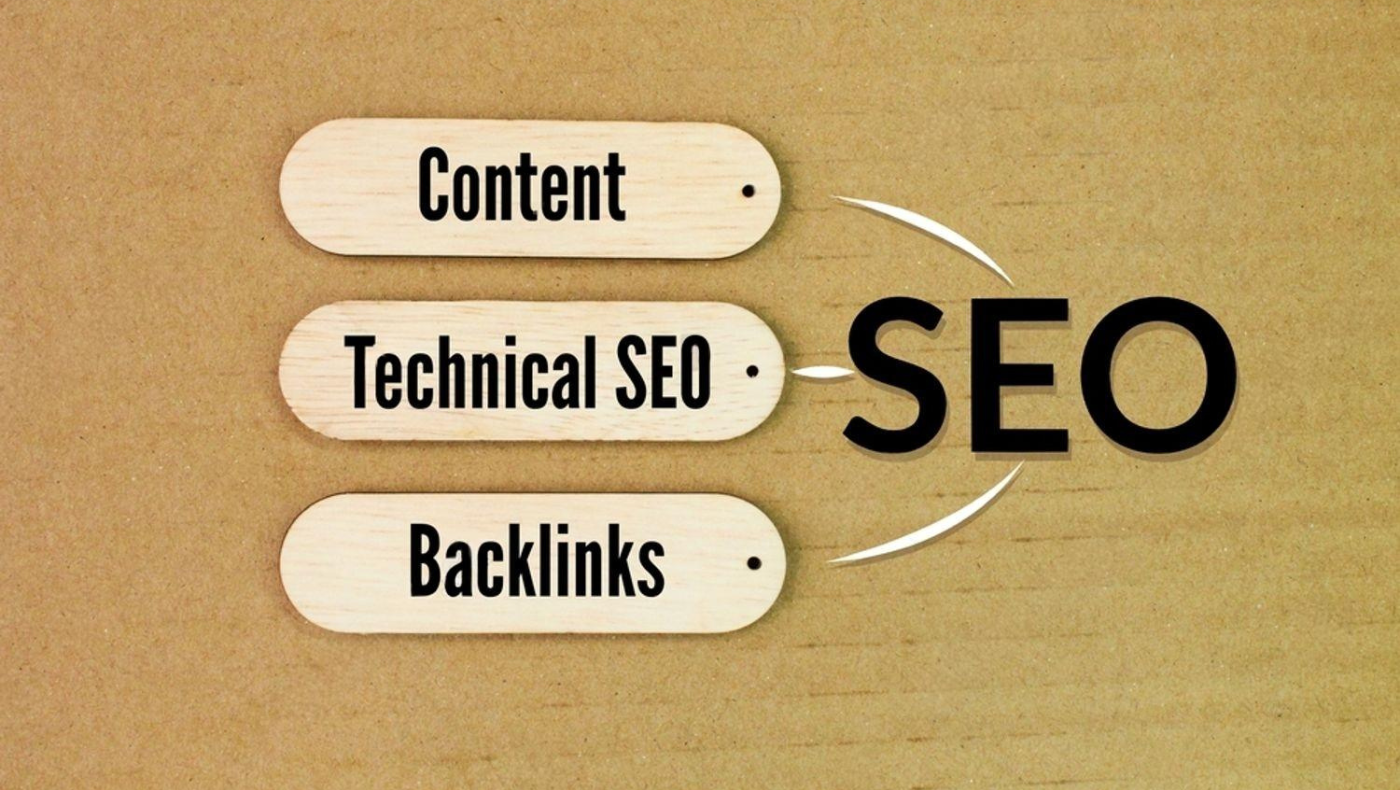
To rank well, your site needs authority, which comes from earning high-quality backlinks. However, getting those links can be time-consuming and difficult without established relationships or outstanding content. Your content must be thoroughly optimized for user intent, keyword relevance, and structure, which can be a full-time job.
Risk of Over-Optimization & Learning Curve for Beginners
In trying to “please Google,” some site owners fall into the trap of keyword stuffing, unnatural link building, or duplicating content—all of which can trigger penalties. Understanding the balance between optimization and overdoing it isn’t always obvious for beginners. Learning the technical and strategic sides of SEO takes time, experimentation, and continuous education.
SEO vs Paid Ads: Side-by-Side Comparison
Most people weighing the pros and cons of SEO are really comparing it with paying for traffic through Google Ads or social ads. This table puts the two side by side.
| Factor | SEO | Paid ads (PPC) |
|---|---|---|
| Speed | Slow; usually months before meaningful traffic | Fast; traffic as soon as the campaign is approved |
| Cost model | Time, content and expertise; no cost per click | You pay for every click or impression |
| When spending stops | Rankings usually fade slowly | Traffic stops almost immediately |
| Trust | Many users trust organic results more than ads | Clearly labelled as sponsored |
| Control | Limited; Google decides rankings | High; you choose keywords, budget, audience and ad copy |
| Testing | Slow to test changes | Quick to test offers and landing pages |
| Best for | Long-term, repeatable lead flow and content-led growth | Launches, promotions, seasonal demand and testing demand |
A practical approach for small businesses
- Use ads to find out which keywords actually produce sales or enquiries.
- Build SEO pages around those proven keywords so you can rely less on paid clicks over time.
- Keep ads running for highly competitive or time-sensitive terms where ranking organically would take too long.
Final Thoughts
SEO remains one of the most powerful tools in digital marketing, but it’s important to recognize that its success comes with time, effort, and ongoing commitment. SEO offers unmatched long-term value for businesses aiming to build sustainable online growth, driving organic traffic and establishing brand authority. However, it’s not a shortcut to instant visibility or a set-it-and-forget-it strategy. Balancing its advantages against limitations will help you make smarter decisions and set realistic expectations. Whether you’re just starting out or looking to refine your existing strategy, approaching SEO with clarity and consistency will ultimately lead to lasting digital success.
Frequently asked questions
Is SEO better than paid ads?
Neither is better in every case. Paid ads bring traffic from day one but stop the moment you stop paying. SEO takes months to build but keeps bringing visitors without a cost per click. Many businesses run ads for quick leads while SEO grows, then reduce ad spend on keywords where they rank well organically.
Do AI Overviews make SEO less worth it?
AI Overviews and other AI answers can reduce clicks for simple informational questions, because the answer appears directly in Google. Searches with buying or local intent, such as services near a city or product comparisons, still send many clicks to websites. AI answers also cite web pages, so well-structured, trustworthy content can earn visibility there too. SEO now means optimising for both.
When is SEO not a good fit for a business?
SEO is a weak fit when you need sales within days, such as a one-off event or short promotion, or when almost nobody searches for what you sell because the product is brand new. It is also hard to justify if you cannot keep a website maintained or publish useful content. In these cases paid ads, social media or direct outreach usually work faster.
Can I do SEO myself?
Yes, many small business owners handle the basics themselves: setting up Google Search Console and a Google Business Profile, writing clear title tags, improving page content and fixing obvious speed issues. Harder areas such as technical audits, site migrations and earning quality backlinks take more time and experience, which is where outside help usually becomes worthwhile.