What Are the Negative Impacts of AI Overviews on SEO?
Artificial Intelligence is rapidly reshaping how search engines deliver information, with AI overviews (like Google’s AI Overviews, which grew out of the Search Generative Experience) becoming a major game changer. Instead of showing a list of clickable links, AI now summarizes answers directly on the search results page.
Key takeaways
- AI Overviews answer many questions on the results page, so even top-ranking pages can get fewer clicks.
- Informational, how-to, affiliate and review content feels the impact most; featured snippets get pushed down.
- Brand exposure weakens when users read a summary without noticing the source.
- Respond by targeting high-intent queries, adding original value, building brand demand and tracking clicks, not just rankings.
While this innovation enhances user convenience, it poses significant challenges for website owners and SEO professionals. From declining organic clicks to reduced brand visibility, AI-driven results transform how traffic flows to websites, and not always for the better.
Decreased Organic Click-Through Rates (CTR)
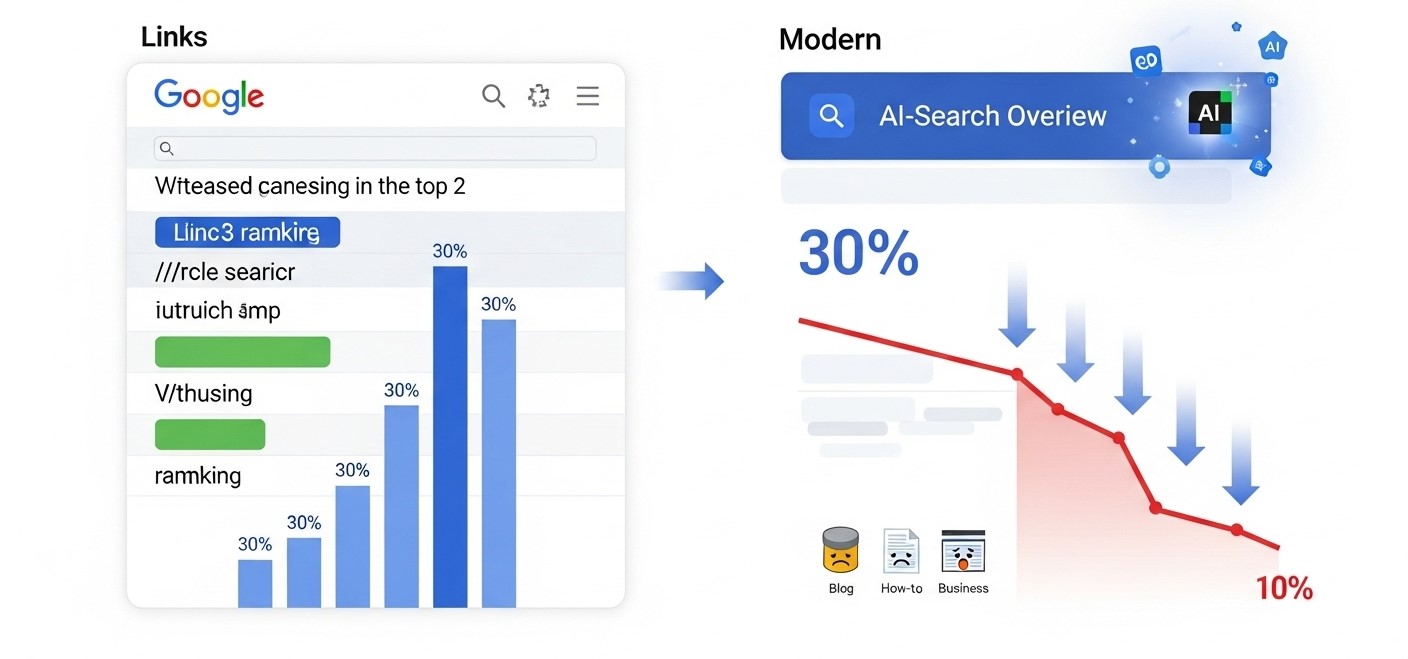
One of the most immediate negative impacts of AI overviews is a noticeable drop in organic click-through rates. Traditionally, when a website ranked on the first page of search results, especially in the top three positions, it received a significant portion of user clicks.
With AI-powered summaries, users often find the answer they need without visiting any website. This creates a “zero-click search” scenario where:
- Even high-ranking pages see less traffic.
- Informational and how-to content struggles to attract visitors.
- Businesses lose opportunities for lead generation and ad revenue.
For example, a blog that previously received 30% CTR from a top-ranking keyword might now see less than 10% because AI displays the summary upfront. This trend is particularly harmful for websites that rely heavily on organic traffic for conversions or monetization.
Traffic Decline for Informational Content
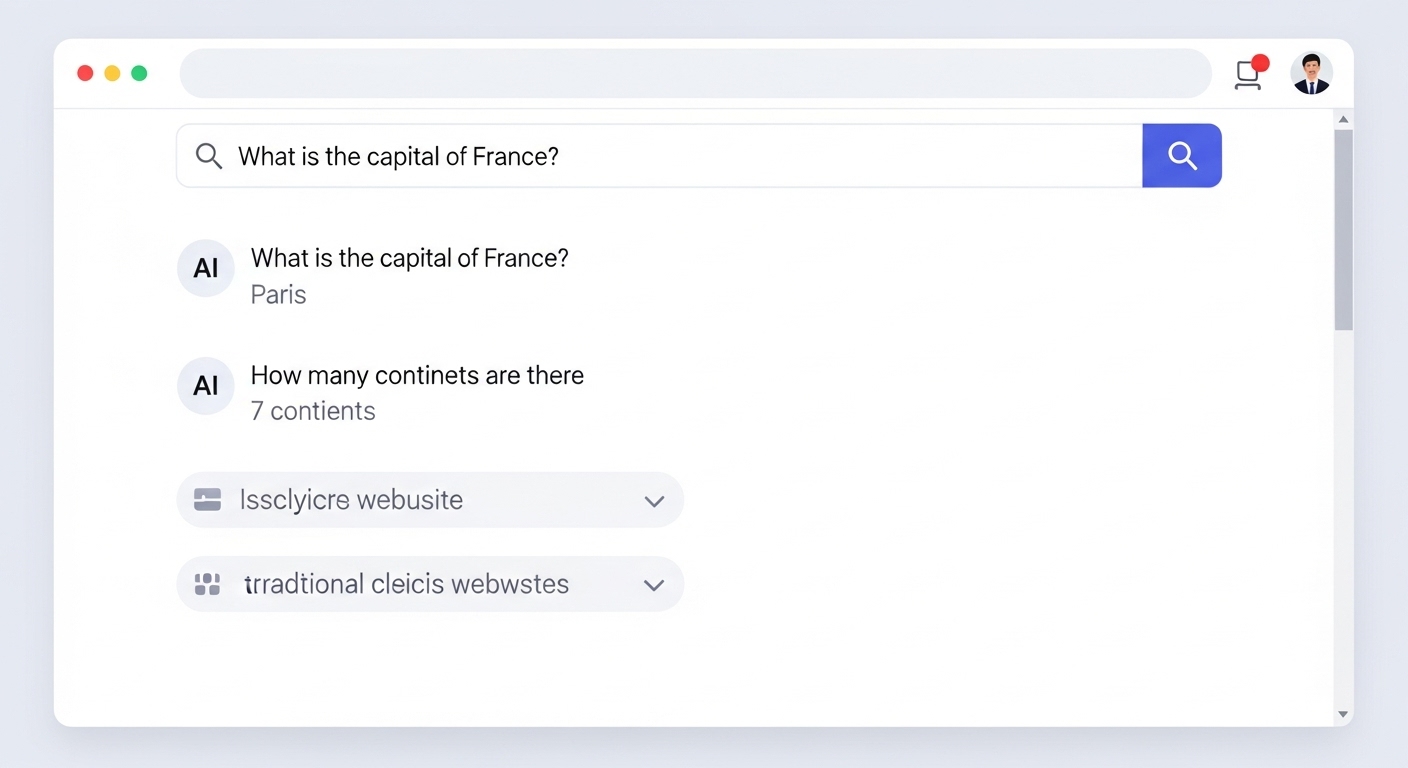
Websites focusing on educational, how-to, and informational content are among the hardest hit by AI overviews. When AI generates a concise, ready-to-use answer directly on the search page, users have little incentive to click through to read a full article.
This leads to:
- Reduced traffic for blogs, tutorials, and FAQ pages.
- Loss of pageviews and ad revenue for publishers.
- Lower engagement metrics (time on site, bounce rate).
For example, a “how to bake a cake” query might now show a full AI summary with step-by-step instructions, eliminating the need for users to visit recipe blogs. Over time, this trend can erode the value of content marketing strategies, especially for sites that rely on long-form informational posts to attract visitors.
Reduced Visibility of Featured Snippets
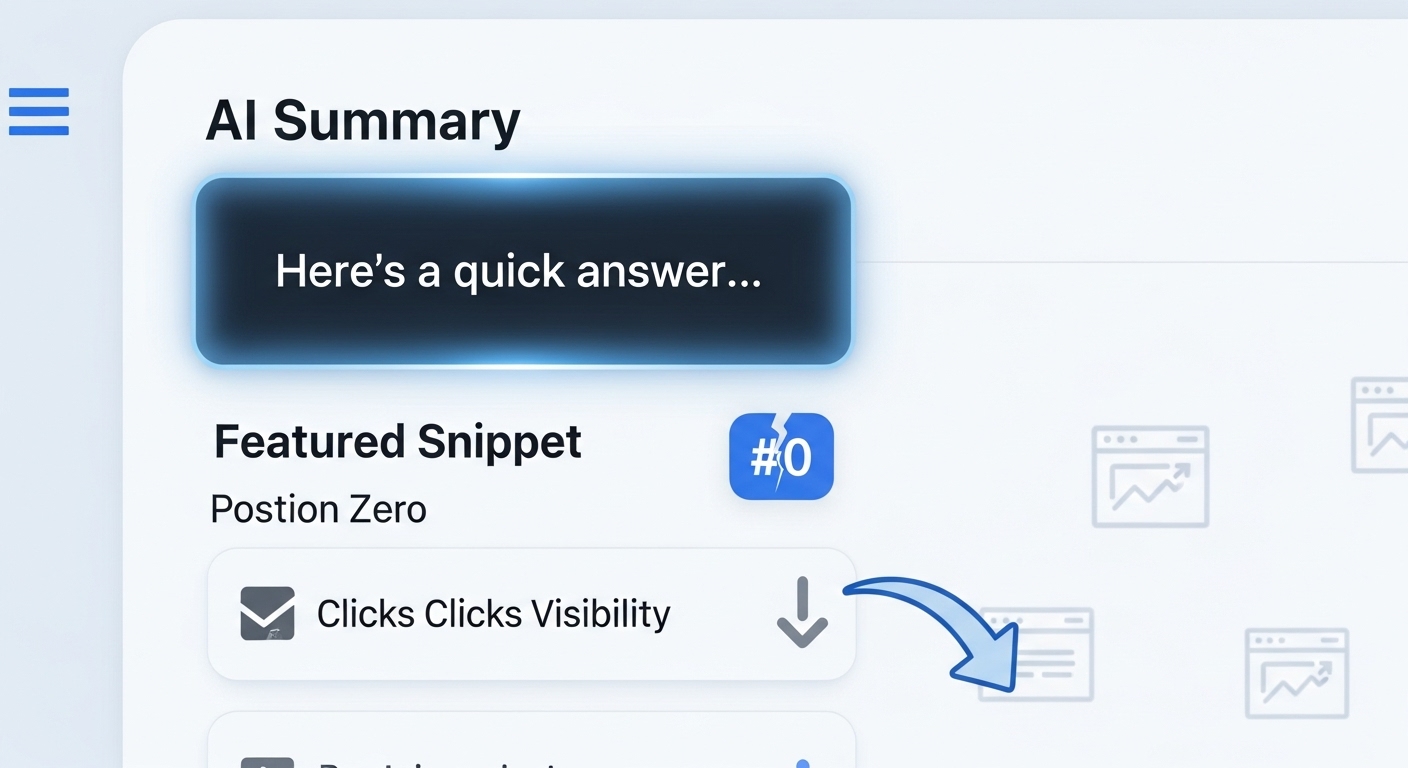
Featured snippets, also known as Position Zero, have long been a valuable SEO asset, allowing websites to capture immediate attention at the top of search results. However, with AI overviews, these snippets are often replaced or overshadowed by dynamically generated summaries.
Key negative effects include:
- Loss of Position Zero Advantage: Even if a website is optimized for featured snippets, AI overviews can dominate the space, pushing organic results further down.
- Decreased Impressions: Users may not see traditional snippets if AI answers are displayed first.
- Fewer Clicks: AI summaries combine information from multiple sources, reducing the likelihood of users clicking through to the original site.
For instance, a site that previously appeared in a featured snippet for “best digital marketing tools” may now only be one of several sources cited in an AI overview—significantly lowering direct traffic and visibility.
Increased Competition on SERPs
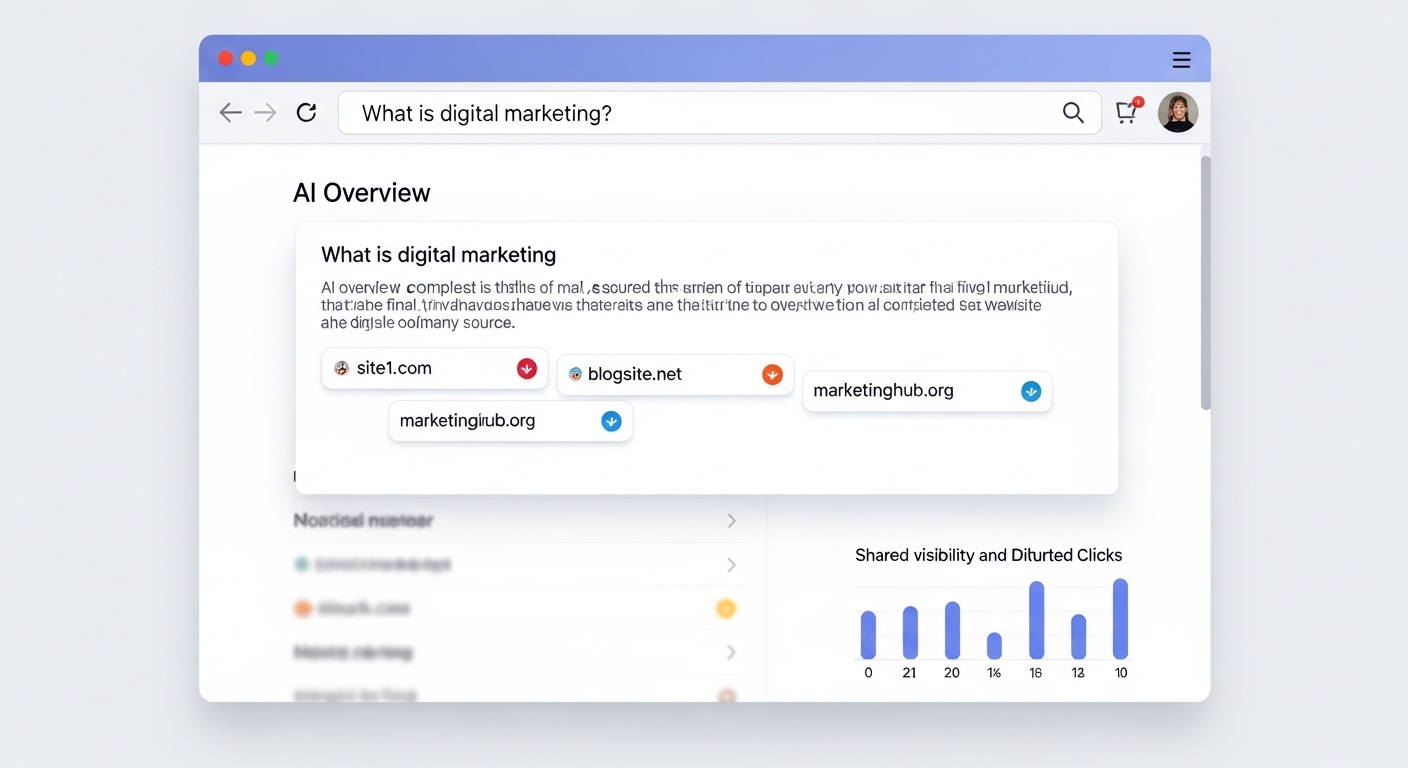
AI overviews fundamentally change the search landscape by pulling information from multiple sources and combining it into a single, summarized answer. While this provides users with diverse perspectives, it also makes it harder for individual websites to stand out.
- Shared Visibility: Instead of one site owning the top spot, several websites may be partially referenced in the AI summary.
- Diluted Traffic: Even if your site is included in the AI answer, the share of traffic you receive is much smaller compared to a traditional top ranking.
- Harder to Dominate: Earning a number-one ranking no longer guarantees significant visibility or clicks, making SEO results more unpredictable.
This heightened competition means that websites must now compete for inclusion in AI overviews rather than just traditional rankings—introducing a new layer of SEO complexity.
Loss of Brand Recognition
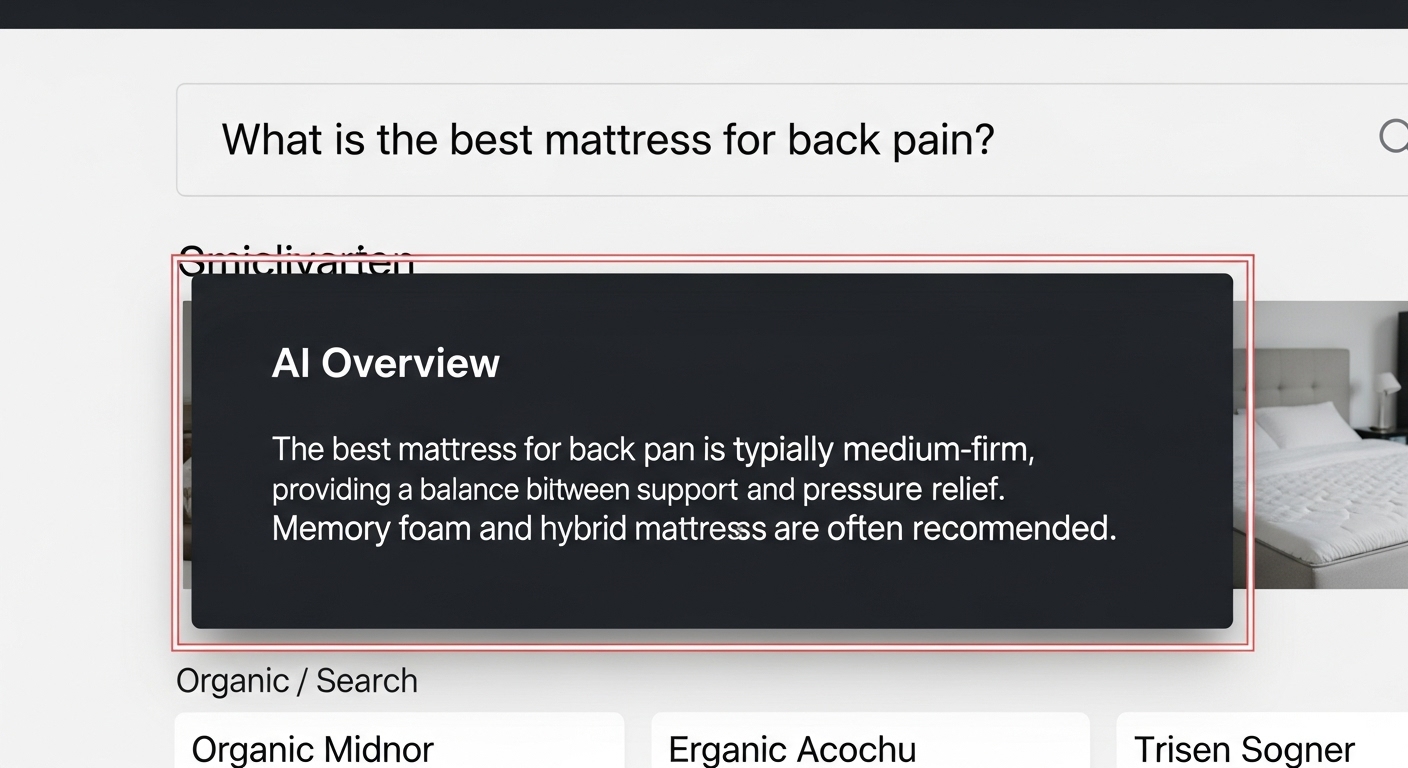
In traditional search results, a user sees the website’s title, URL, and brand name, which helps build recognition and trust. With AI overviews, much of this branding is hidden or minimized, as users consume summarized information without knowing the source website.
Negative impacts include:
- Weakened Brand Exposure: AI often cites multiple sources without prominently displaying brand names.
- Reduced Trust Building: Users may remember the answer but not the brand that provided it.
- Missed Opportunities for Authority: Even if your content contributes to AI summaries, your website doesn’t get the same visibility benefits as a direct SERP listing.
This makes it harder for businesses to establish thought leadership, nurture long-term trust, and convert one-time searchers into loyal visitors or customers.
Changes in SEO Strategy and Content Value
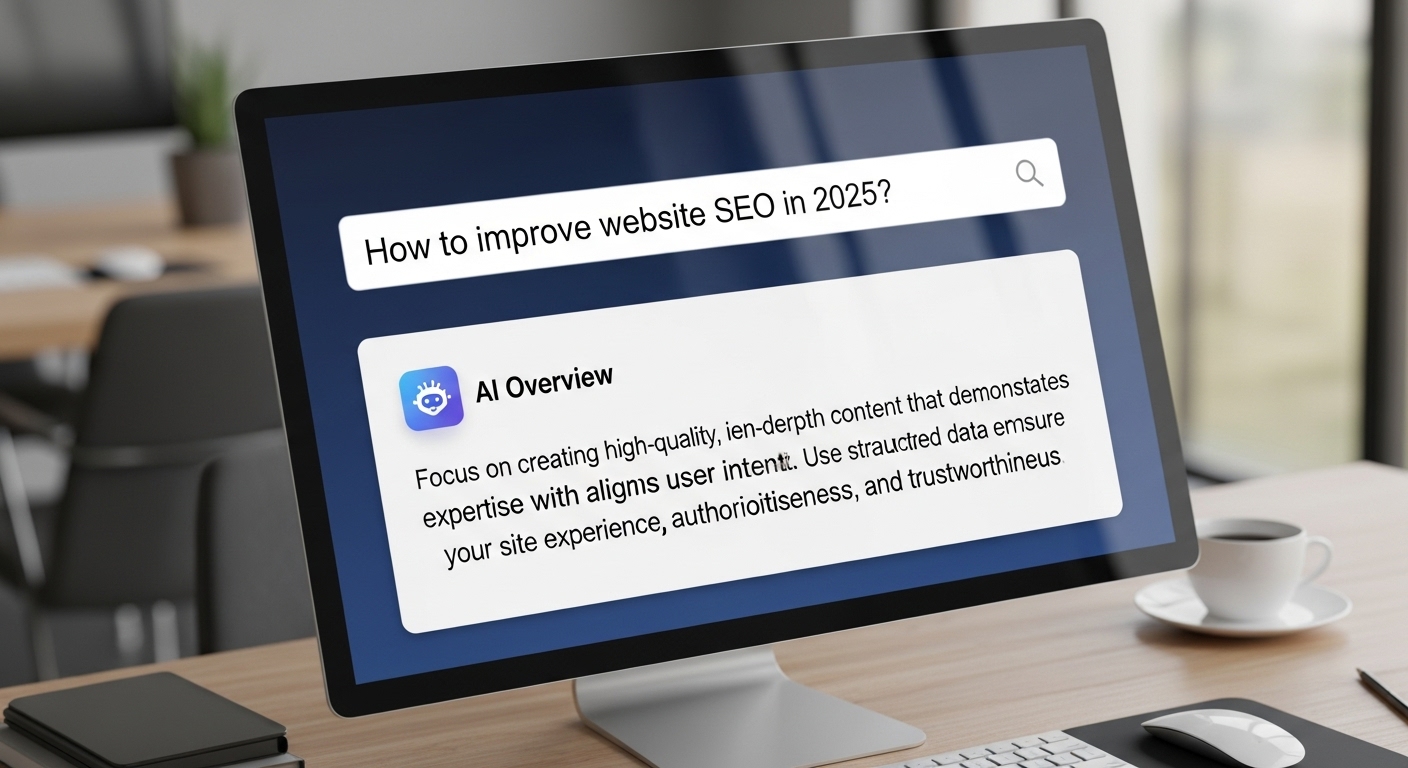
AI overviews are reshaping SEO fundamentals, forcing businesses to rethink their strategies. Traditional SEO tactics like keyword stuffing, meta tags, and backlinks are no longer enough because AI prioritizes content relevance, structure, and authority.
Key shifts include:
- Semantic SEO: AI focuses on understanding user intent rather than exact keywords, requiring content that answers questions comprehensively.
- Structured Data & Schema Markup: Websites need well-structured data to increase their chances of being included in AI summaries.
- EEAT (Experience, Expertise, Authoritativeness, Trustworthiness): Search engines now weigh content credibility more heavily to determine if it should power AI responses.
- Content Depth: Thin content or simple blog posts struggle to get featured as AI seeks multi-source, in-depth information.
This means businesses must invest in higher-quality, authoritative, and contextually rich content to remain visible in an AI-driven search environment.
Impact on Affiliate and E-commerce Sites
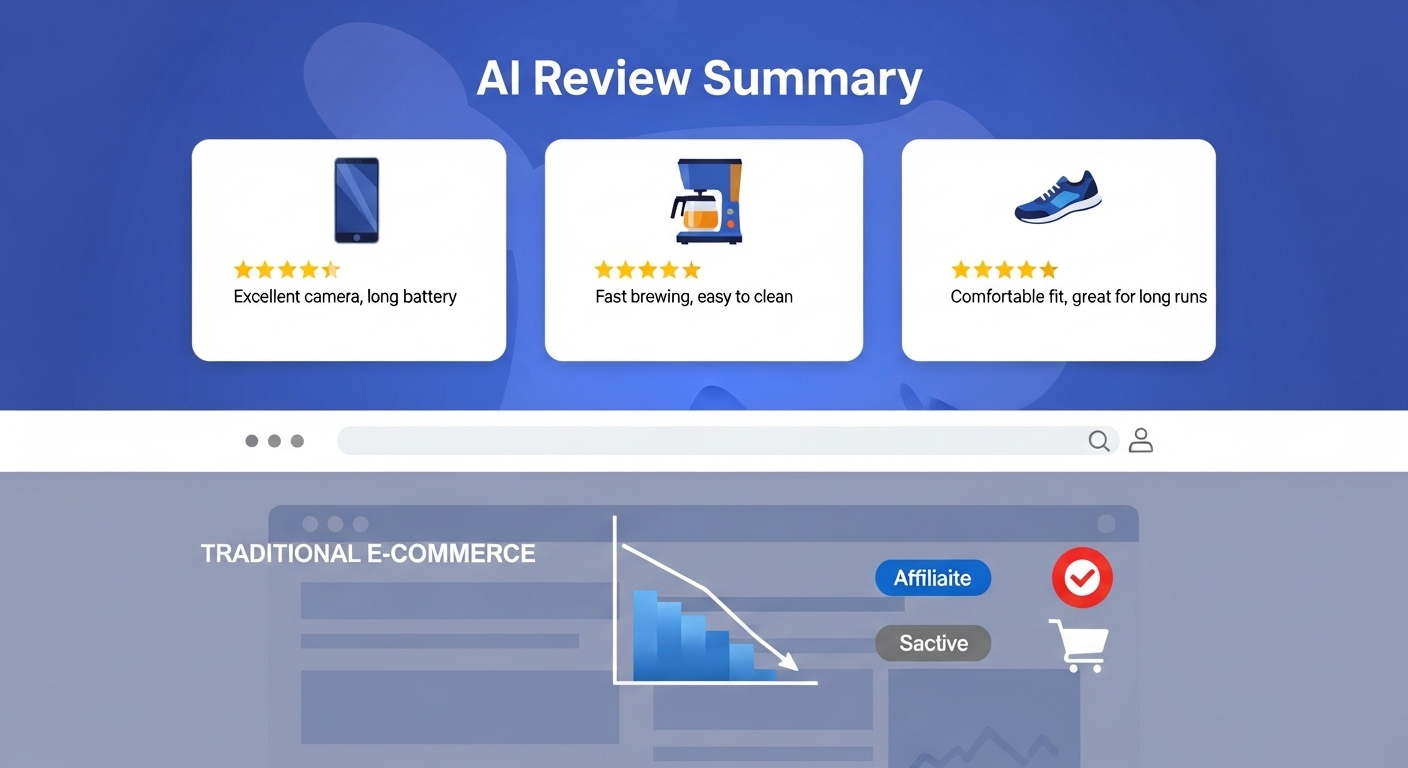
Affiliate marketers and e-commerce websites are among the most affected by AI overviews. When users search for products or reviews, AI often summarizes buying guides, recommendations, and comparisons directly on the search results page.
Negative effects include:
- Fewer Clicks on Affiliate Links: Users may see summarized recommendations without visiting the affiliate site.
- Lower Product Page Visits: E-commerce sites lose direct traffic as AI provides detailed product overviews and pricing info.
- Reduced Conversions: With fewer visitors reaching landing pages, sales and affiliate commissions decline.
For example, a blog reviewing “best budget smartphones” might have previously earned thousands of affiliate clicks. With AI-generated purchase advice, users can make buying decisions without clicking any affiliate links, cutting potential earnings significantly.
Higher Dependency on Paid Ads
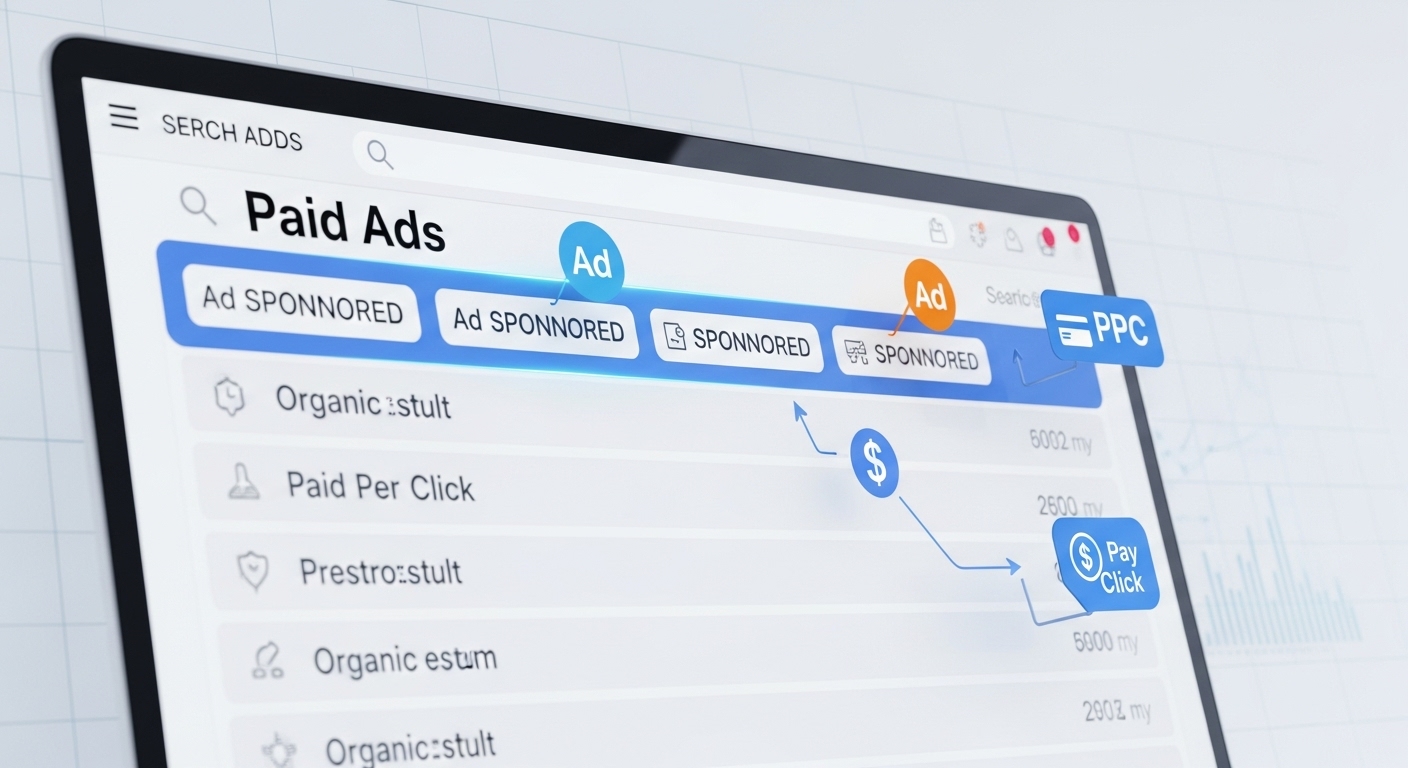
As AI overviews reduce organic visibility, many businesses turn to paid advertising to regain lost traffic. This shift increases overall marketing expenses and changes how brands allocate their SEO budgets.
Key impacts:
- Reduced ROI from SEO: Even well-optimized sites may not see proportional traffic, pushing brands toward PPC campaigns.
- Increased Competition for Ads: More businesses bidding on the same keywords leads to higher ad costs.
- Short-term Traffic Reliance: Companies may depend heavily on ads for visibility, weakening long-term organic growth strategies.
For example, an e-commerce store that previously relied on SEO for 70% of traffic might now need to spend more on Google Ads to maintain sales volume due to AI-driven search summaries diverting clicks.
Challenges in Measuring SEO Performance

AI overviews introduce new complexity to tracking and analyzing SEO performance. Even when a website ranks well, traffic and engagement metrics can drop, making it harder to assess the true ROI of SEO efforts.
Negative impacts include:
- Misleading Analytics: High impressions with fewer clicks distort CTR and keyword performance metrics.
- Difficulty in Attribution: When AI shows multi-source summaries, it’s unclear which website contributed most to the displayed information.
- Uncertain Conversion Paths: Users may get all the information they need directly from AI results, bypassing traditional landing pages and funnels.
This creates a significant challenge for marketers who rely on tools like Google Analytics or Search Console to measure success, as traditional metrics no longer fully reflect how searchers interact with content.
How to Protect Your Traffic From AI Overviews
You cannot switch AI Overviews off, but you can reduce how much they hurt you:
- Find the pages that lost clicks. In Google Search Console, compare two periods and sort pages by change in clicks. Pages where impressions held steady but clicks fell are the ones most likely affected by AI answers. AI Overview traffic is counted within the Web search type, so it is already in these numbers.
- Shift effort towards high-intent queries. Searches like service plus city, pricing, comparisons and "near me" still lead to clicks because people need to act, not just read.
- Give people a reason to click. Calculators, templates, original photos, case studies, local data and detailed comparisons cannot be summarised fully in a few lines.
- Write summary-friendly sections. Short direct answers under clear headings improve your chance of being one of the cited sources.
- Build brand demand. Email lists, social media, YouTube and reviews bring people who search for your name directly, which AI summaries do not replace.
- Report on outcomes. Track leads, calls and sales from organic search in GA4, alongside rankings, so you can see the real business impact.
Conclusion
AI overviews are transforming search behaviour, offering users quick answers but creating serious challenges for SEO, from declining organic clicks and traffic losses to reduced brand recognition and increased reliance on paid ads. As search engines evolve, businesses must adapt their SEO strategies by focusing on high-quality, authoritative content, structured data, and brand-building efforts to stay visible in this AI-driven search landscape. Those who evolve quickly will be better positioned to maintain traffic, trust, and long-term digital growth.
Frequently asked questions
Do AI Overviews reduce website traffic?
They can. When an AI Overview fully answers a simple question, fewer people click through to websites, even ones cited in the summary. The effect varies by query. Quick factual and how-to questions lose the most clicks, while searches with buying intent, local needs or a need for detail still send visitors. Check your own Search Console data rather than assuming.
Can I stop Google from using my content in AI Overviews?
Only partly. Google says the nosnippet and max-snippet controls limit how your content appears in search features, including AI Overviews, but they also limit normal snippets, which can reduce clicks. Blocking Google-Extended affects Gemini model training, not AI Overviews in Search. For most businesses, opting out costs more visibility than it saves.
How do I get my website featured in AI Overviews?
There is no special markup or form for it. Google draws on pages that are indexed and eligible for a snippet, so standard SEO applies. Answer the question clearly near the top of the section, support it with detail and evidence, keep pages fast and crawlable, and build topical depth with related pages linked together. Original information makes a page more worth citing.