PPC vs SEO: How Ranking Differs Between Paid Ads and Organic Results

Regarding digital marketing, two of the most powerful tools for driving website visibility are PPC (Pay-Per-Click) and SEO (Search Engine Optimisation). Though both aim to increase your presence on search engine result pages (SERPs), they operate differently.
Key takeaways
- PPC ads win top positions through bids and ad quality; SEO pages earn organic positions through relevance, quality and authority.
- PPC visibility stops the moment the budget stops. Organic rankings keep bringing clicks without a per-click fee once earned.
- PPC can show within hours of approval; SEO usually takes months, depending on competition and your site's current authority.
- Many users trust organic results more, but ads convert well for urgent, high-intent and branded searches.
- Most businesses get the best return by running both: ads for quick data and demand, SEO for lasting traffic.
PPC is a paid advertising strategy in which businesses bid on keywords to display their ads at the top of search results. Every time a user clicks the ad, the advertiser pays a fee—hence the term pay-per-click. In contrast, SEO focuses on organically earning top positions by optimising website content, improving site structure, and building backlinks. Unlike PPC, SEO doesn’t involve direct click payment but requires consistent effort and time to achieve visibility.
Both strategies are highly popular because they offer access to targeted audiences actively searching for specific products, services, or information. The key difference lies in their approach: PPC provides immediate, paid visibility, while SEO builds long-term, unpaid visibility by aligning with search engine algorithms.
Ranking Positions in SERPs: Top Slots vs Earned Places
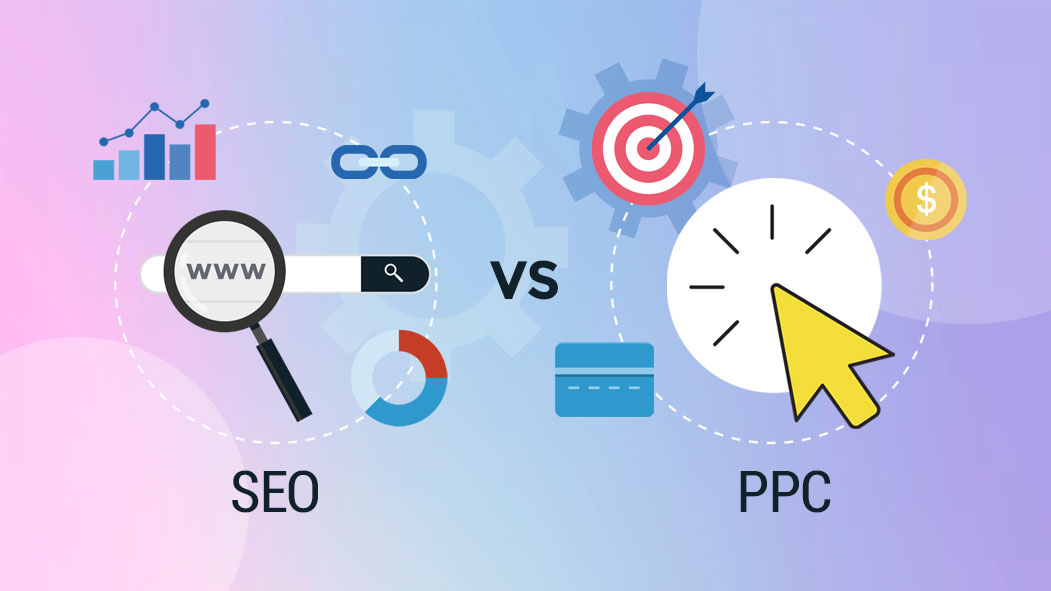
One of the most noticeable differences between PPC and SEO is where they appear on the Search Engine Results Pages (SERPs). PPC ads typically occupy the top section of a results page—often the first 1 to 4 positions—marked as “Sponsored” or “Ad.” These results appear before any organic listings, giving them premium visibility. Google’s layout intentionally gives paid ads the highest real estate because advertisers bid to be seen first.
SEO rankings, on the other hand, are earned through Google’s algorithm. This complex system evaluates over 200 factors, including content relevance, keyword usage, page speed, backlinks, mobile-friendliness, and user engagement. The higher your page ranks organically, the more trustworthy it appears to users, without paying for clicks.
Regarding screen space, PPC ads dominate the upper portion of the page, especially on mobile devices, where a user may only see ads unless they scroll. Meanwhile, organic SEO results fill the middle and lower sections of the SERP. While they don’t benefit from instant visibility, they attract clicks through credibility and relevance.
If we compare this visually:
- PPC occupies the top box with a label like “Sponsored” or “Ad.”
- SEO results start immediately after the ads and can include rich results such as star ratings, sitelinks and images to boost their presence.
Cost vs. Visibility: Paying for Position vs Earning It Over Time
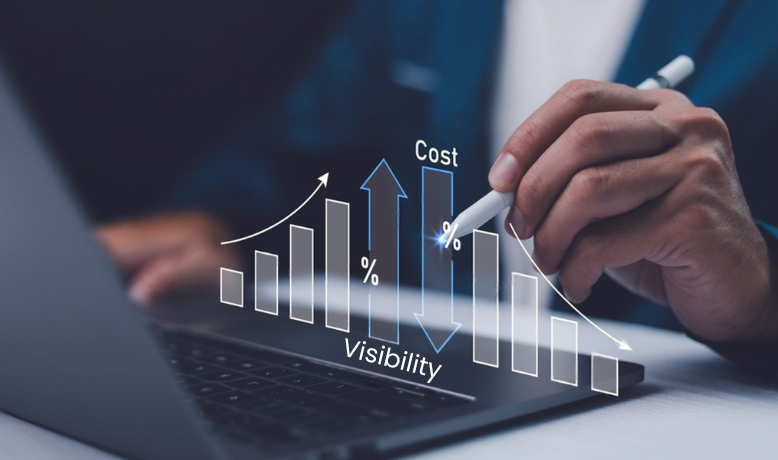
When evaluating PPC and SEO, the conversation often shifts to one critical point: cost. Both strategies aim to improve visibility, but approach it with completely different budget structures.
PPC (Pay-Per-Click) works on a bidding model. You pay every time someone clicks on your ad, known as Cost Per Click (CPC). The more competitive the keyword, the higher the CPC. For instance, insurance or legal services industries can see very high CPCs. Essentially, your visibility is directly tied to your ad spend. If your budget runs out, your visibility disappears instantly.
Conversely, SEO is technically free per click, but that doesn’t mean it’s without cost. Building high-ranking organic pages takes time, consistent content creation, technical optimisation, and often professional services. The initial investment is higher in effort and patience, but once your pages rank, you receive ongoing traffic without paying for every visit.
Time to Achieve Rankings: Instant Ads vs Gradual Growth

When it comes to how fast your website can be seen on Google, PPC and SEO follow very different timelines, and understanding this difference is critical when planning your marketing strategy.
PPC (Pay-Per-Click) offers instant visibility. Once your campaign is live and approved—often within minutes—your ads appear in search results. Whether launching a new product, running a time-sensitive offer, or just trying to generate fast leads, PPC delivers results almost immediately.
In contrast, SEO is a long-term strategy that requires patience. Organic rankings are earned gradually through content development, keyword optimisation, technical improvements, and building high-quality backlinks. Depending on your industry’s competitiveness and your website’s current authority, it can take 3 to 6 months—or even longer—to see noticeable results.
Conversion Behaviour and User Trust: Why Users Click What They Trust

One of the biggest differences between PPC and SEO isn’t just where they appear on the page—it’s how users interact with them. SEO often holds the advantage when it comes to click-through rates (CTR) and user trust.
Studies show that organic search results consistently receive more clicks than paid ads. Users trust non-sponsored links more—they see them as authoritative, relevant, and unbiased. This behaviour is often called “ad blindness”—a natural tendency for users to skip over the ad section at the top of the page, especially if they know it’s promotional.
SEO benefits from this trust factor. When your site ranks organically, users view it as being endorsed by Google’s algorithm, which increases perceived credibility and encourages clicks. For informational queries, product reviews, or long-term solutions, organic results typically dominate in both CTR and user loyalty.
However, PPC still plays a powerful role in specific scenarios. Ads can achieve higher conversion rates when used for:
- Retargeting previous visitors with personalised offers.
- Limited-time promotions or urgent product launches.
- High-intent commercial keywords like “buy now” or “get a quote.”
- Branded campaigns, where users are already familiar with the company.
Impact on Brand Image: Authority vs. Advertisement
Beyond rankings and clicks, your choice between SEO and PPC also shapes how users perceive your brand. Both channels contribute to visibility, but they leave different impressions.
SEO helps build long-term brand authority. When your website consistently appears in organic search results for key industry terms, users associate your brand with expertise and reliability. Over time, this visibility contributes to brand recognition, trust, and credibility, especially when users find your content informative, valuable, and aligned with their search intent.
In contrast, PPC is more transactional by nature. While it can effectively drive immediate traffic and conversions, users often know that ads are paid placements. For some, this can trigger scepticism or reduce perceived authenticity, especially if the content doesn’t match expectations or if they see repeated ads without engaging experiences.
Here’s how users typically perceive each:
| Factor | SEO (Organic Results) | PPC (Paid Ads) |
| Trust Level | High—seen as earned and relevant | Lower—viewed as promotional |
| Brand Perception | Authoritative, reliable, knowledgeable | Aggressive, commercial, sales-focused |
| Longevity of Impact | Builds over time and sustains presence | Lasts only while ads are active |
That said, PPC can still support brand image, especially when used to:
- Reinforce visibility during product launches.
- Dominate branded keywords for protection.
- Complement SEO with high-impact, visual ad creatives.
PPC vs SEO at a Glance
Here is how the two channels compare on the points that usually decide budgets.
| Factor | PPC | SEO |
|---|---|---|
| How position is decided | Ad Rank: bid, ad quality, landing page experience | Relevance, content quality, links, page experience |
| Where it shows | Top and bottom of the page, labelled "Sponsored" | Organic listings, map pack and other results features |
| Speed | Hours to days after approval | Usually several months |
| Cost model | Pay per click, every click | Pay for content, technical work and links, not per click |
| When you stop paying | Traffic stops | Rankings fade slowly, if at all |
| Control | Full control of message, budget and targeting | Google chooses which page and snippet to show |
| Best for | Launches, offers, testing, urgent demand | Research queries, steady leads, long-term cost per lead |
When to Choose PPC, SEO or Both
The right mix depends on your timeline, margin and how people search for what you sell.
Lean on PPC when
- You are launching a new product or site with no organic rankings yet.
- You run seasonal or time-limited offers, such as Eid or 11.11 sales.
- Your keywords are dominated by large, established sites you cannot outrank soon.
- You need to test which offer, price or message converts before building pages.
Lean on SEO when
- Customers research before they buy and ask many questions.
- Your cost per click is high compared with your profit per sale.
- You want a steady flow of leads that does not depend on a monthly ad budget.
- You serve a local area and can win the map pack with a strong Google Business Profile.
Run both when
- You want to cover a high-value keyword at the top of the page while your organic page climbs.
- Competitors bid on your brand name and you need to protect it.
- You have enough budget to test with ads and invest in content at the same time.
How PPC and SEO Help Each Other
Treating the two as rivals wastes data. Used together, each makes the other cheaper.
- Use ad data for keyword research. The search terms report in Google Ads shows the exact queries that led to sales. Build or improve organic pages for the ones that convert.
- Test titles with ads. Ad headlines that get a high click-through rate often make strong page titles and meta descriptions.
- Cut ad spend where you rank well. Once a page holds a top organic position, test lowering bids on that keyword and watch whether total clicks hold up.
- Share landing page work. A fast, clear page with a single call to action improves ad quality and organic performance at the same time.
- Retarget organic visitors. People who found you through search but did not convert can be shown ads later, which turns SEO traffic into more leads.
Track both channels in GA4 and Google Search Console so you can compare cost per lead, not just clicks.
Conclusion
While PPC offers instant top-of-page visibility through a paid bidding system, SEO earns long-term organic ranking by aligning with Google’s algorithm. PPC delivers fast results but requires continuous budget allocation, whereas SEO demands time and effort but builds lasting authority and trust. User behaviour also varies—many prefer organic results for credibility, though PPC can outperform in high-intent or time-sensitive scenarios. Ultimately, your choice should depend on your business goals, timeline, and budget. Whether you’re looking for quick leads or sustainable growth, Digital marketing services offers expert SEO and PPC tailored to help you rank smarter and reach the right audience effectively.
Frequently asked questions
Is SEO or PPC better for a small business?
Neither is better in every case. PPC suits a small business that needs leads this month, is testing a new offer or sells in a very competitive niche. SEO suits a business that can wait a few months and wants traffic that does not stop when spending stops. Many small businesses start with a modest ad budget while they build SEO, then shift spend as organic rankings grow.
Does running Google Ads improve organic rankings?
No. Google keeps its ads system and organic ranking separate, so paying for ads does not raise your organic positions. Ads can help indirectly: search term reports show which queries convert, which tells you what content to build for SEO. More brand exposure from ads can also lead to more branded searches, but the ad spend itself is not a ranking factor.
How does Google decide which ad ranks first?
Google Ads uses Ad Rank, which combines your bid with ad quality factors such as expected click-through rate, ad relevance and landing page experience, plus the context of the search. This means the highest bidder does not always take the top slot. A relevant ad with a strong landing page can outrank a higher bid and often pays less per click.
Can you rank in both paid and organic results for the same keyword?
Yes. A page can rank organically while your ad appears above it for the same search. This takes up more space on the results page and can raise total clicks, especially on mobile. It is most useful for branded terms, where competitors may bid on your name, and for high-value keywords where you want maximum visibility.