“Ok Google, Find a Plumber Near Me”: Is Your Business Ready for Voice Search in Pakistan?

In today’s fast-paced world, convenience is key. With just a simple voice command, you can get answers to questions, order food, play your favourite music, or even find a plumber. Voice search is no longer just a futuristic novelty—it’s quickly becoming the preferred method for millions of users, especially with the rise of smart assistants like Google Assistant, Siri, and Alexa.
Key takeaways
- Voice searches in Pakistan are usually spoken on phones, often in Urdu or mixed English, and very often have local intent.
- Voice assistants read local answers mainly from Google Business Profile and map listings, so keep them complete and accurate.
- Write content that answers full spoken questions directly, in the first sentence, using natural language.
- Make your site fast and mobile-friendly, and add LocalBusiness schema with hours, address and phone.
- Language and accent recognition are still challenges, so cover both English and Urdu or Roman Urdu phrasing.
As these technologies become increasingly ingrained in our daily lives, businesses must adapt to stay relevant. This shift presents a unique opportunity and challenge for local businesses in Pakistan: Are you ready to meet your customers where they are—through voice search?
What is Voice Search?

Voice search refers to the ability to perform searches or interact with devices using spoken language rather than typing. With the rise of smart devices and voice-activated assistants, like Google Assistant, Siri, Alexa, and even more localised services, voice search has become a powerful tool for consumers to find information, make purchases, or discover local services—quickly and hands-free.
How Does Voice Search Work?
Voice search technology uses speech recognition to convert spoken words into text. When you ask a device a question, it sends the query to a search engine, which processes it and returns relevant results. These results are often tailored to the user’s location, providing the most pertinent answers based on geographic proximity.
With the growing use of smartphones and digital assistants in Pakistan, people’s search for services is shifting. Instead of typing “plumber near me,” users are likelier to say, “Ok, Google, find a plumber near me.” This shift presents a unique opportunity for businesses to align their online presence with how consumers now search.
Voice search is designed to be fast, intuitive, and conversational. Rather than entering keywords, users ask complete, natural language questions, like “What’s the best restaurant near me?” or “When does the local pharmacy close?” This change means businesses must optimise their digital presence to reflect natural speech patterns and ensure they’re discoverable in voice search results.
The Growth of Voice Search in Pakistan

The adoption of voice search in Pakistan has steadily risen as more users turn to smartphones and digital assistants to help them navigate their day-to-day tasks. With internet penetration increasing, mobile usage surging, and tech becoming more accessible, Pakistan is experiencing a significant shift in how people access information—especially for local services.
Mobile Usage and Voice Search Synergy
Smartphones have become the primary device for most Pakistanis, and with the increasing use of mobile data, voice search is seen as an easier, faster alternative to typing. Since Pakistan has a diverse linguistic landscape, with Urdu, Punjabi, Pashto, and several regional languages being spoken, mobile voice search technologies are evolving to cater to these languages, making it more accessible for everyone.
This shift also ties into the rising trend of urbanisation, where people are looking for local services more frequently. Whether finding a plumber, booking a taxi, or locating the nearest restaurant, voice search is becoming a go-to solution for individuals seeking quick, hands-free answers.
The Growing Role of Local Search
For businesses, this presents a critical opportunity. With more people using voice search to find local services, your business’s visibility in local search results will directly impact your ability to attract customers. Optimising for voice search can ensure that your business appears when users ask for services in your area, giving you a distinct advantage in an increasingly competitive market.
How Voice Search Works for Local Businesses
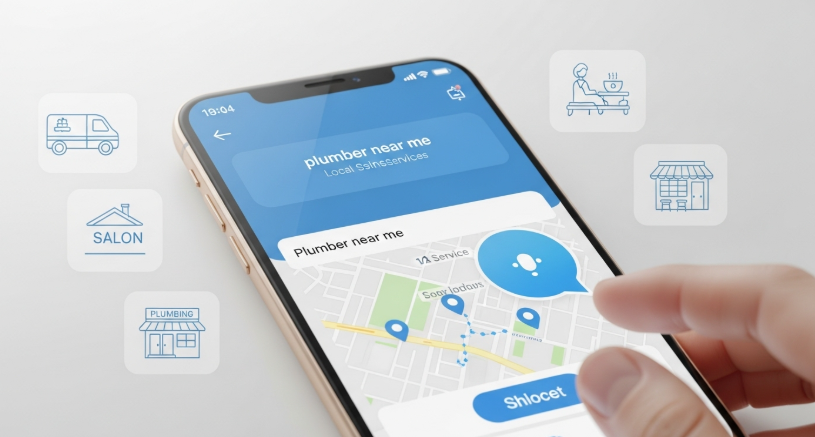
Voice search is transforming the way consumers find local services. When people search for services like “plumber near me,” voice assistants prioritise nearby businesses, making it essential for local businesses to optimise their online presence for these queries.
Local Intent and Voice Search
Voice searches are often location-based, with users looking for immediate solutions. Queries like “find a restaurant nearby” or “best plumber in Lahore” rely heavily on local SEO to provide relevant results.
Importance of Local SEO
To rank well in voice search results, businesses must:
- Optimise their Google My Business profile.
- Use natural language and local keywords in their website content.
- Gather customer reviews to improve visibility.
Improving Customer Experience
Voice search offers fast, hands-free access to key business information, enhancing customer experience. Ensuring your business is easily found through voice search can increase calls, visits, and bookings.
Voice Search Challenges for Pakistani Businesses
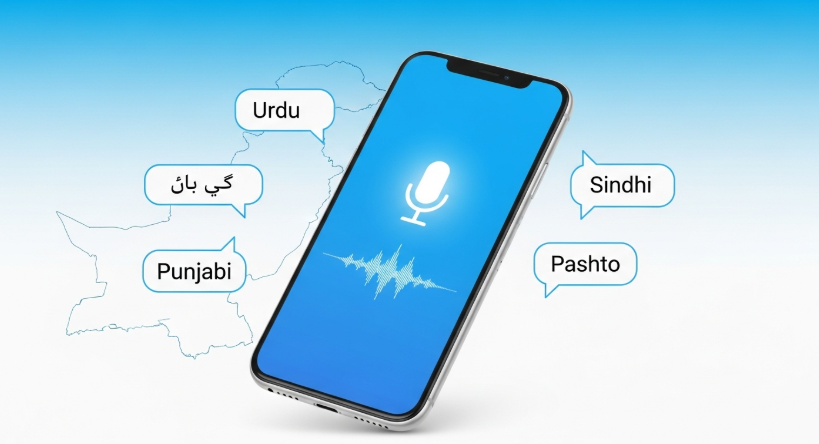
While voice search offers significant opportunities, it also presents several challenges, particularly for businesses in Pakistan. From language barriers to SEO misalignment, local businesses need to be aware of these hurdles to optimise for voice search effectively.
Language Barriers
Pakistan is home to multiple languages, including Urdu, Punjabi, Pashto, and Sindhi. Voice search technology is still evolving to understand and process these languages and dialects accurately. Inaccuracies can result, leading to potential missed opportunities for businesses that don’t optimise for diverse language needs.
SEO Misalignment
Traditional SEO practices are often focused on short, keyword-driven queries, but voice searches tend to be more conversational and longer. A search for “best plumber Lahore” may become a full sentence query like “Where can I find a reliable plumber near me in Lahore?” Businesses must adjust their content to align with this natural language pattern, requiring a shift in their SEO strategy.
Cultural Relevance
Pakistan’s cultural nuances can also affect voice search results. Local phrases, slang, and regional preferences may not always be recognised by voice assistants, making it important for businesses to ensure that their content resonates with the local audience and fits with how users naturally speak.
Optimising for Voice Search in Pakistan

As voice search continues to grow, Pakistani businesses must take proactive steps to ensure they’re visible in voice search results. Here are some practical strategies to help businesses optimise for this shift in search behaviour:
1. Use Natural Language and Long-Tail Keywords
Voice search queries are more conversational than traditional text-based searches. For example, users may say, “What is the best plumber in Lahore?” instead of typing “plumber Lahore.” To optimise for voice, businesses should include natural language and long-tail keywords on their websites, FAQs, and other content.
2. Optimise for Local SEO
Local businesses must ensure their Google Business Profile is complete and up-to-date with accurate information (name, address, phone number, hours of operation). Including location-based keywords in their website content is essential for showing up in local searches.
3. Create FAQ Pages
Since voice searches often come in the form of questions, creating FAQ pages on your website can help you rank for commonly asked voice queries. For instance, answering questions like “How much does it cost to hire a plumber in Lahore?” can increase your chances of being featured in voice search results.
4. Focus on Mobile Optimisation
Most voice searches are done on mobile devices, so your website must be mobile-friendly. Ensure your site loads quickly, is easy to navigate, and displays well on smartphones, ensuring a seamless experience for users who search by voice.
5. Implement Structured Data (Schema Markup)
Using structured data, or schema markup, helps search engines understand your website’s content and display it more effectively in search results. By marking up key information, like your business hours, location, and services, you increase your chances of appearing in voice search results.
A Voice Search Checklist for Pakistani Businesses
Use this list to check whether your business can be found when someone asks their phone for help.
Profiles and listings
- Google Business Profile verified, with the correct primary category and accurate hours, including Ramadan and Eid hours.
- Phone number that is answered during listed hours; voice users usually tap to call straight away.
- Apple Business Connect listing claimed for iPhone users who use Siri and Apple Maps.
- Services and products listed in your profile using the words customers actually say.
Content
- An FAQ section on key pages answering spoken questions such as "Kya aap Sunday ko open hain?" or "How much does AC servicing cost in Lahore?"
- Short, direct answers in the first sentence, followed by detail.
- Area names and landmarks your customers use, such as "near Liberty Market" or "Bahria Town Phase 4".
Website
- Fast loading on mobile data, with good Core Web Vitals.
- Click-to-call and click-to-WhatsApp buttons near the top of the page.
- LocalBusiness schema with address, phone, hours and geo-coordinates.
Note that FAQ rich results in Google now show only for authoritative government and health sites. Keep FAQs for users and voice answers, not for search result enhancements.
Conclusion
Voice search is a growing way for consumers to find local services, and businesses in Pakistan must adapt to stay competitive. By optimising for voice search through strategies like using natural language, improving local SEO, ensuring mobile-friendliness, and encouraging customer reviews, businesses can increase their visibility, enhance the customer experience, and stand out in a crowded market. As more users turn to voice-activated technologies like Google Assistant, the time to act is now—businesses that embrace these changes early will gain a significant advantage, ensuring they’re the first to be found when customers say, “Ok Google, find a plumber near me.”
Frequently asked questions
Does Google voice search work in Urdu?
Yes. Google supports Urdu for voice typing and voice search, and many Pakistani users speak queries in Urdu or mix Urdu and English. Recognition is not perfect for every accent or regional language, so results can vary. For businesses, this means your profile and content should make sense for both English queries and common Urdu or Roman Urdu phrasings of your service.
Where do voice assistants get local business information?
Google's assistant tools pull local answers mainly from Google Business Profile and Google Maps, while Siri relies largely on Apple Maps data. Keep your Google Business Profile complete and claim your listing on Apple Business Connect. Accurate hours, phone number, address and categories matter most, because a voice answer usually gives just one or two options, not a full page of results.
Is voice search optimisation different from normal SEO?
Mostly it is good local SEO with a conversational focus. The same things help: a complete Google Business Profile, reviews, a fast mobile site and clear content. The difference is in how you write: answer full questions directly, use natural phrasing people say out loud, and cover the questions customers ask before calling, such as timings, prices and whether you deliver or visit homes.