Benefits and Drawbacks of Influencer Marketing
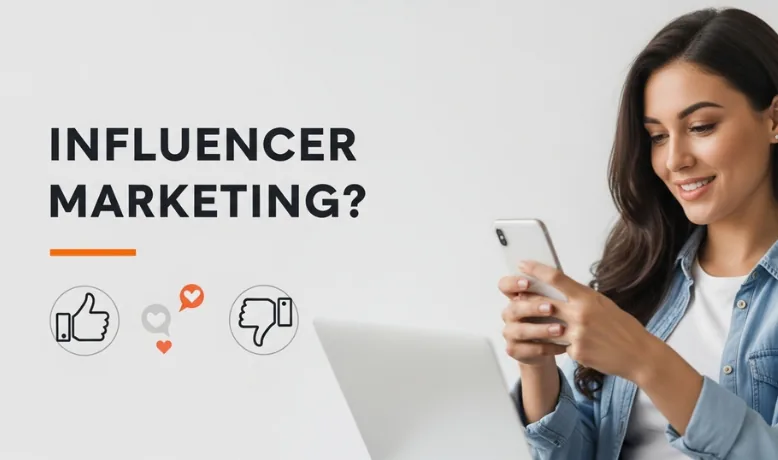
In today’s digital-first world, traditional advertising methods are gradually taking a backseat as brands turn to more authentic and relatable ways to connect with their audiences. Influencer marketing is one of the most powerful tools leading this shift—a strategy where brands collaborate with individuals who have built loyal followings on social media platforms. Whether it’s a beauty blogger on Instagram, a tech reviewer on YouTube, or a lifestyle TikToker, influencers can shape opinions, spark trends, and drive real purchasing decisions.
Key takeaways
- Benefits: influencers build trust, extend reach to targeted audiences, can drive conversions and spark engagement.
- Drawbacks: ROI is hard to measure, pricing is inconsistent, fake engagement is common and a bad fit can hurt your brand.
- Micro-influencers with engaged, relevant audiences often outperform bigger names for smaller budgets; in Pakistan many nano creators work on barter deals.
- Set clear goals, vet engagement and audience quality with a tool like HypeAuditor or Modash, and track with UTM links and discount codes.
- Use written agreements that cover the paid-partnership label, paid amplification (Partnership Ads, Spark Ads) and AI-generated content.
Like any marketing strategy, influencer marketing has advantages and challenges. While it offers massive potential in reach and engagement, it also poses risks related to authenticity, budget, and performance tracking.
The Benefits of Influencer Marketing
Builds Trust and Credibility
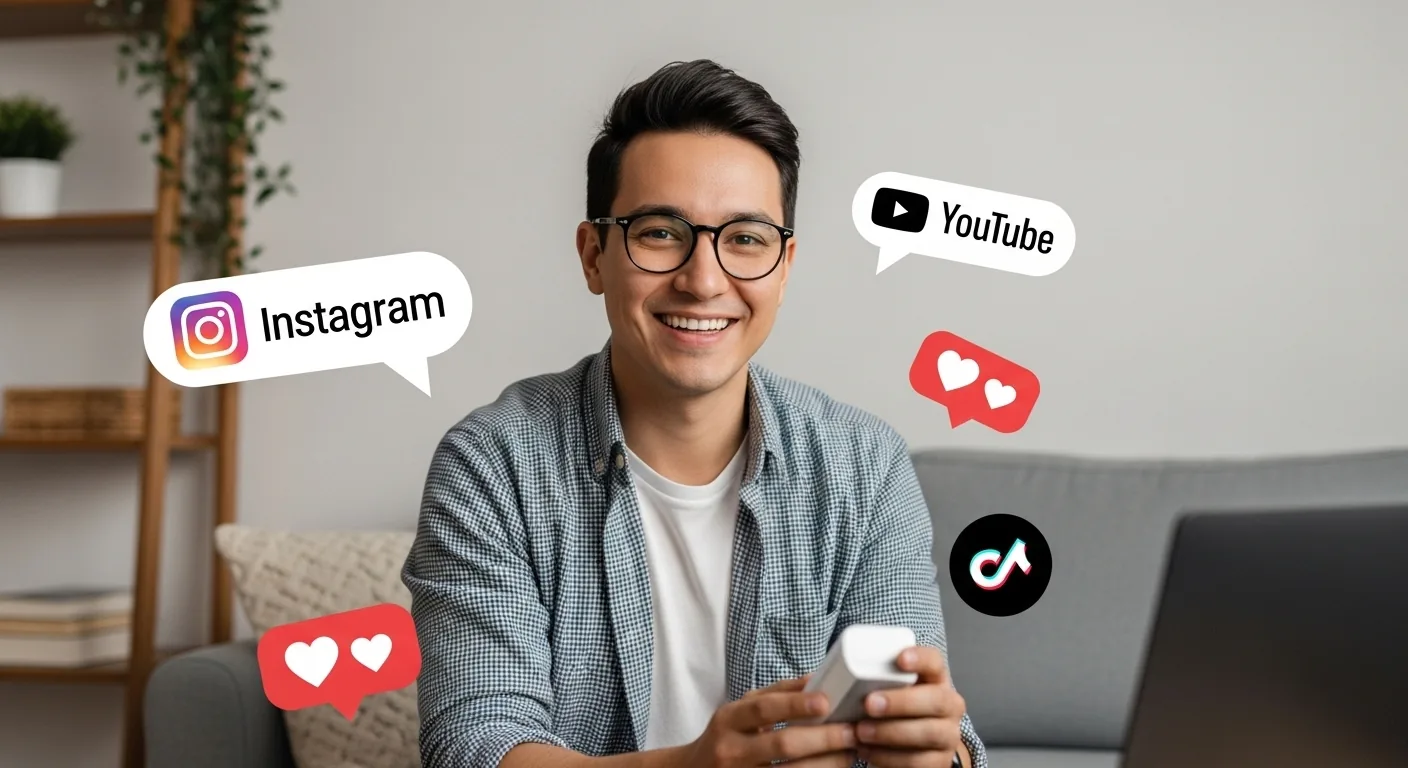
One of the most significant advantages of influencer marketing is its ability to build trust and credibility among potential customers. Unlike traditional advertising, which often feels impersonal or overly promotional, influencer endorsements appear authentic and relatable. Influencers are seen as real people—not faceless brands—so their followers are likelier to trust their opinions and product recommendations.
When an influencer shares a personal experience with a product or service, it feels like advice from a friend rather than a sales pitch. This relatability creates an emotional connection between the brand and the audience, leading to higher confidence and loyalty. Especially in niche markets, influencers often act as subject matter experts, making their endorsements even more valuable in the eyes of their community.
Expands Brand Reach
Another key benefit of influencer marketing is its power to amplify your brand’s visibility across digital platforms. Influencers already have a built-in audience that regularly trusts and engages with their content. By partnering with the right influencer, your brand can instantly tap into a new, highly targeted group of potential customers—without spending months building that audience from scratch.
This is especially valuable for emerging brands or product launches, as influencers can introduce your offering to thousands (or even millions) of followers in a single post or video. A Lahore clothing brand launching a lawn collection, for example, can reach its exact customers through a handful of Instagram try-on reels before it has spent anything on ads. Whether it’s an Instagram reel, a YouTube review, or a TikTok trend, influencer content often spreads quickly through likes, shares, and comments, providing organic exposure that feels natural rather than forced.
Boosts ROI and Conversions
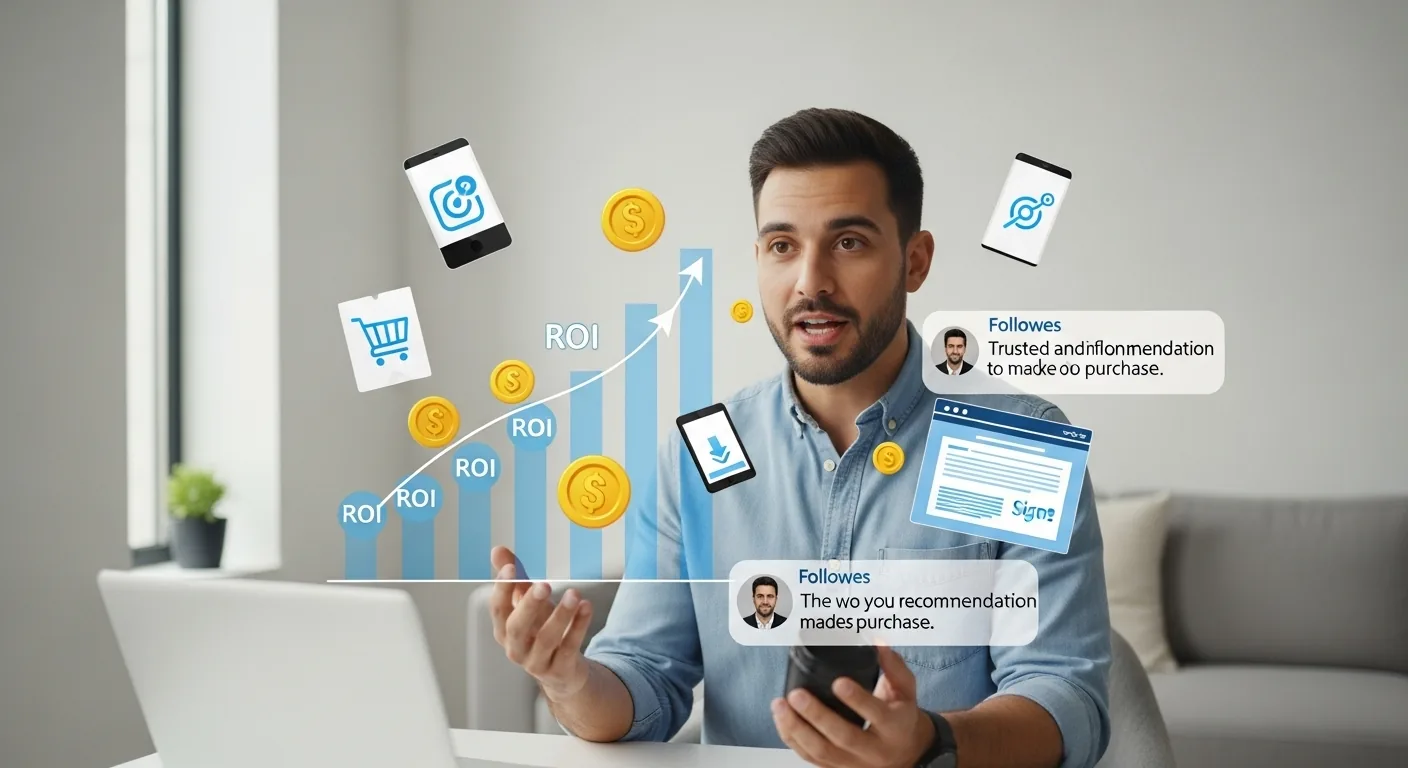
Influencer marketing is not just about visibility—it’s also a powerful driver of real business results. When the audience fit is right, it can deliver a strong return on investment (ROI). Because influencers speak directly to niche, highly engaged audiences, their recommendations often result in more qualified traffic, better conversion rates, and even repeat purchases. A well-executed influencer campaign can deliver measurable outcomes like product sales, app downloads, website visits, or sign-ups—all while keeping costs lower than large-scale paid ad campaigns.
Moreover, influencer content can influence decisions at various stages of the buyer’s journey. Whether it’s building awareness, sparking interest, or nudging toward purchase, influencers create relatable, persuasive content that feels like a recommendation, not a hard sell. This trust-driven marketing approach encourages users to act faster and more confidently, turning viewers into buyers with minimal resistance.
Enhances Social Engagement
Influencer marketing isn’t just about spreading awareness—it’s also a proven way to drive meaningful engagement. Influencers create content that feels natural within a platform’s flow, prompting followers to like, comment, share, or tag friends. This kind of interaction boosts your brand’s visibility in social algorithms and builds a sense of community and conversation around your product or message.
Unlike traditional ads that are often scrolled past, influencer content feels more personal and engaging. Whether it’s a product demo, unboxing video, challenge, or behind-the-scenes story, followers are likelier to interact with content from someone they admire. These authentic interactions humanise your brand and increase its chances of going viral, giving you exponential reach with minimal effort.
The Drawbacks of Influencer Marketing
Difficult to Measure ROI
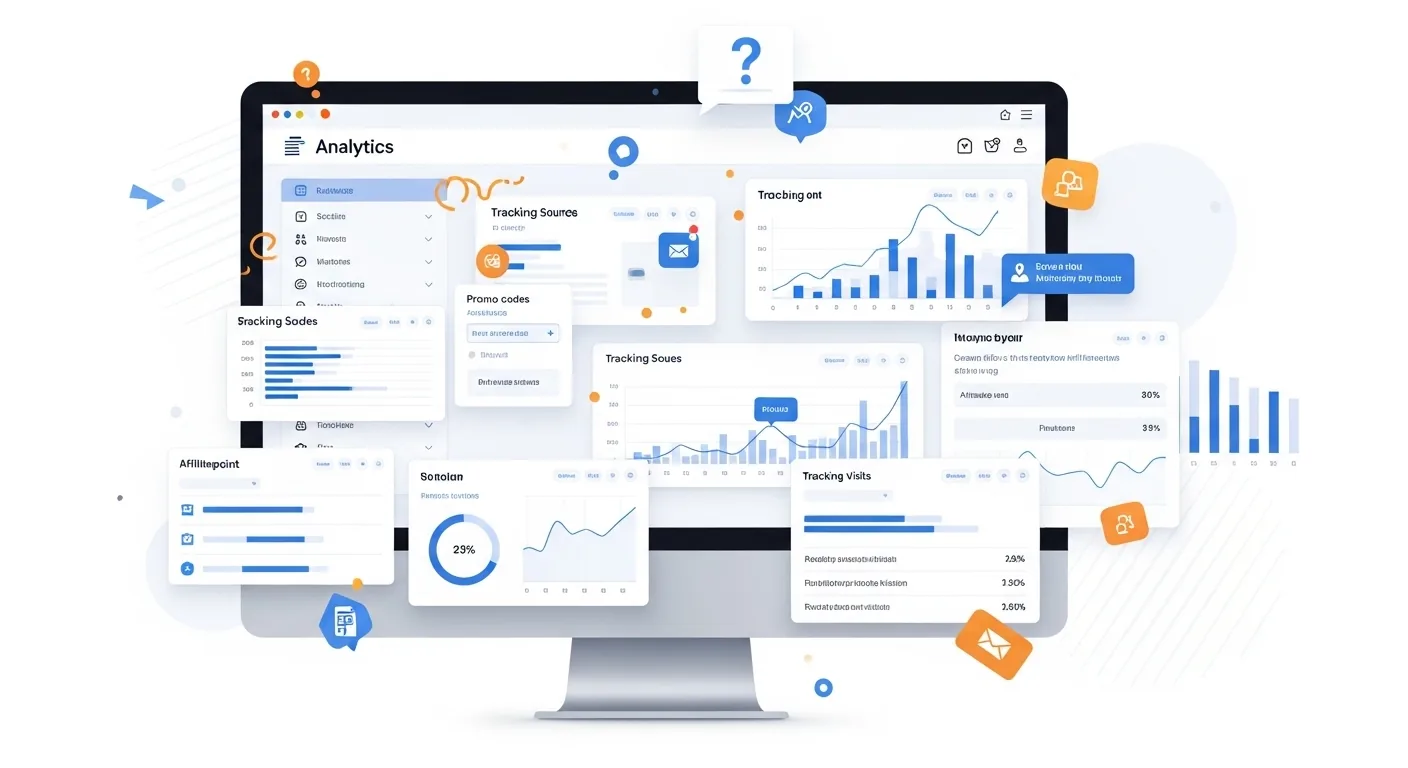
One of the most common challenges brands face with influencer marketing is accurately tracking return on investment (ROI). Unlike pay-per-click ads or email marketing, where results are tied directly to clear metrics like clicks or conversions, influencer campaigns often generate results across multiple touchpoints, making it harder to attribute success to a single post or creator.
Many influencer efforts focus on long-term brand awareness or engagement, which can be difficult to quantify without advanced tracking tools. Even when using promo codes or affiliate links, there’s always a chance that customers engage through other channels, leading to data gaps and unclear performance reports. Without a well-defined measurement strategy, brands may struggle to understand which influencers or content types are truly driving results.
Potential Brand Mismatch
Choosing the wrong influencer can do more harm than good. A poor fit between the influencer’s persona and the brand’s identity can lead to mixed messaging, audience confusion, or even backlash. For example, if a luxury skincare brand partners with a comedy influencer known for satire, the promotion may feel forced or inauthentic, damaging credibility and trust.
Influencers are public figures whose actions or controversies can quickly reflect on your brand. If an influencer becomes involved in a scandal or shares views that conflict with your brand’s values, it can result in negative publicity and potential loss of customer trust. That’s why thorough vetting and alignment in tone, values, and audience are crucial before entering any collaboration.
Cost and Budgeting Issues

While influencer marketing can be cost-effective, pricing is highly inconsistent and unpredictable. In Pakistan a nano creator may work for a barter deal or a few thousand rupees, a micro creator often quotes tens of thousands of rupees per reel, and a celebrity can ask for several lakh rupees or more (roughly USD 10 to USD 1,000-plus per post, as of 2026), often without guaranteed results. This lack of standardisation makes it difficult for brands, especially small businesses or startups, to plan and allocate their budgets effectively.
Moreover, partnering with high-profile influencers doesn’t always mean better results. Micro- or nano-influencers with smaller but more engaged audiences can often drive better ROI. However, managing multiple micro-influencers adds complexity to coordination and tracking. Without careful planning, brands may end up overpaying or underperforming, ultimately hurting the effectiveness of their overall marketing strategy.
Risk of Fake Engagement
One of the hidden dangers of influencer marketing is the presence of fake followers and engagement bots. Some influencers inflate their numbers by purchasing followers or using engagement pods to simulate activity. While their profile might look impressive, their audience may consist of inactive, irrelevant, or entirely fake accounts, leading to poor campaign performance and wasted ad spend.
Influencer fraud can severely affect your brand’s metrics, such as reach, conversions, and credibility. If a brand doesn’t thoroughly vet its influencers using analytics tools or third-party platforms, it may fall victim to vanity metrics that don’t translate into real business results. That’s why it’s essential to focus on quality over quantity, and work with influencers with genuine, engaged followers—even if their audience size is smaller.
How to Maximise the Benefits & Avoid Pitfalls

While influencer marketing has its share of risks, most can be minimised with the right strategy and planning. Start by clearly defining your campaign goals—brand awareness, lead generation, or direct sales. Clear KPIs will help you measure success and stay focused throughout the campaign.
Next, carefully vet influencers before partnering with them. Don’t just look at follower counts—analyse their engagement rate, audience demographics, content quality, and authenticity. Use an audience-quality tool such as HypeAuditor or Modash to detect fake followers, engagement pods or an audience that is mostly outside Pakistan. Whenever possible, prioritise influencers who genuinely connect with their audience and align with your brand values.
Also, don’t underestimate the power of micro-influencers. Though they may have smaller followings, their audiences are often more engaged and loyal. Collaborating with a few relevant micro-influencers can sometimes yield better results than a single macro-influencer.
Finally, track performance continuously. Use UTM links, discount codes, and engagement analytics to measure what’s working and what’s not. This will allow you to optimise future campaigns and get the most out of your marketing budget.
What Influencers Cost in Pakistan
There is no public rate card for Pakistani creators, and quotes vary with the platform, niche, engagement and what you ask for. As rough indicative figures for 2026, based on what agencies and creators commonly quote, expect something like this per post or reel:
| Tier | Followers | Typical arrangement |
|---|---|---|
| Nano | Under 10,000 | Often a barter deal (free product, meal or service) or a few thousand rupees |
| Micro | 10,000 to 100,000 | Usually a cash fee in the tens of thousands of rupees per reel, sometimes plus product |
| Mid-tier and above | 100,000 upwards | Several lakh rupees per post is common; celebrities and TV personalities quote far more |
Treat these as a starting point for budgeting, not a benchmark to hold creators to. A food reviewer with 30,000 engaged Lahore followers can be worth more to a cafe in Gulberg than a national name with a million followers spread across the country. Always ask for a quote in writing, confirm what it includes (number of posts, Stories, usage rights, exclusivity) and compare against the engagement the creator can show.
How Pakistani Brands Use Influencers in Practice
The benefits above are easier to judge with concrete campaign types that work in Pakistan:
- Food and cafes: a Lahore cafe invites three or four TikTok food reviewers, each gets a unique code for a free dessert, and the brand counts redemptions at the counter. The metric is store visits, not views.
- Clothing and lawn brands: Instagram micro-creators post try-on reels with a discount code during a sale; the brand tracks code use and coupon revenue in its store reports.
- Apps and services: YouTube or podcast creators explain the product in a dedicated segment with a tracked link; sign-ups from that link are the measure.
- Local services: a salon or clinic works with one or two neighbourhood creators and asks them to tag the Google Business Profile location, then watches enquiries and reviews over the following weeks.
In every case the tracking method is agreed before the post goes live, because that is what turns "engagement" into a number you can compare with your ad spend.
Extending a Creator Post With Paid Budget
Platforms now let you run a creator's post as an ad from your own account, which has changed how campaigns are bought. On Facebook and Instagram these are Partnership Ads: the creator grants permission, and you boost their post with your targeting and budget. On TikTok the equivalent is Spark Ads, and creators can be found and briefed through TikTok One (formerly the Creator Marketplace). YouTube offers BrandConnect for larger deals.
This matters for your agreement: boosting a post needs the creator's permission inside the platform and a usage-rights clause that says for how long and in which markets you may run it. It also matters for measurement, because a boosted post gives you proper ad reporting (reach, clicks, conversions) that an organic post never does.
What to Put in an Influencer Agreement
Many influencer problems, from late posts to disputes over content use, come from vague verbal deals. A short written agreement prevents most of them. Cover these points:
| Item | What to agree |
|---|---|
| Deliverables | Number and type of posts, such as one Reel and three Stories, platforms and posting dates |
| Key messages | Product points to mention and claims the creator must not make |
| Approval | Whether you review content before it goes live, and how many revisions are included |
| Disclosure | Use of the platform's tool: "Add paid partnership label" on Instagram and Facebook, the "Content disclosure" branded content toggle on TikTok, the "My video contains paid promotion" checkbox on YouTube, plus clear wording that it is sponsored |
| Usage rights | Whether you can reuse the content in ads or on your website, and for how long |
| Paid amplification | Whether you may run the post as a Partnership Ad or Spark Ad, for how long and in which markets |
| AI content | Whether the creator may use AI-generated visuals or voice, and that AI-made content must carry the platform's AI label where required |
| Exclusivity | Whether the creator can promote competitors during and after the campaign |
| Tracking | The unique discount code or UTM link to use, and insights screenshots to share afterwards |
| Payment | Amount in rupees, what is paid upfront and what is paid after posting |
Keep the tone of the brief flexible. Creators know what works with their audience, and over-scripted posts look like ads and perform worse.
Conclusion
Influencer marketing has emerged as a powerful tool for brands looking to build trust, reach new audiences, and boost engagement more authentically. While it offers strong advantages like increased credibility, ROI, and social interaction, it also comes with challenges like cost unpredictability, fake engagement, and potential brand misalignment. By approaching influencer marketing with a strategic mindset—setting clear goals, vetting partners carefully, and tracking performance—businesses can successfully harness their strengths while avoiding common pitfalls, ultimately turning influencer collaborations into long-term brand assets.
Frequently asked questions
Is influencer marketing worth it for small businesses?
It can be, if you work with small, relevant creators and track results. A small business rarely needs a celebrity; a few micro- or nano-influencers whose followers match your customers can bring real sales at a manageable cost. Start with one or two test collaborations, give each a unique code or link, and only scale up with creators who deliver.
How do I check if an influencer has fake followers?
Look beyond the follower count. Check whether likes and comments are in proportion to followers, whether comments are genuine and specific rather than emojis or generic praise, and whether follower growth looks steady instead of jumping suddenly. Tools such as HypeAuditor or Modash score audience quality and show follower locations. Ask the creator for screenshots of their audience insights to confirm their followers are in Pakistan and match your target market.
Do influencer posts need to be labelled as ads?
Yes, paid or gifted promotions should be clearly disclosed. Use the platform's own tool: on Instagram and Facebook the "Add paid partnership label" option when posting, on TikTok the "Content disclosure" toggle for branded content, and on YouTube the "My video contains paid promotion" checkbox. Clear labelling protects trust, since audiences react badly when they discover a hidden promotion. Put the disclosure requirement in your agreement with the creator.
What is the difference between micro- and macro-influencers?
Macro-influencers have large audiences and give broad reach, but cost more and their followers are often less engaged and less targeted. Micro-influencers have smaller, more focused audiences, usually higher engagement and lower fees, and are often seen as more relatable. Exact follower thresholds vary by platform and market, so judge creators by audience fit and engagement, not labels.
Can a creator use AI-generated content in a sponsored post?
Only if your agreement allows it. AI-made visuals, voices or virtual presenters are now common, and Instagram, TikTok and YouTube all ask creators to label realistic AI-generated or altered content. Decide in writing whether AI visuals or voice are acceptable for your campaign, require the platform's AI label where it applies, and make sure product claims in AI-made content are still accurate.